This book asks what happens when powerful people decide the world is ending and plan only for their own escape. Its authors describe an old and beautiful story, a shining city after great suffering, and show how it can be turned into an excuse for walling people out. As we read, we can ask what story we are living by, and what it would mean to choose to stay and care for one another here.
End Times FascismArmageddon complexHerenessShock doctrineMessianismThe spiral of historyEnd Times FascismArmageddon complexHerenessShock doctrineMessianismThe spiral of historyEnd Times FascismArmageddon complexHerenessShock doctrineMessianismThe spiral of historyEnd Times FascismArmageddon complexHerenessShock doctrineMessianismThe spiral of history
Numbers to hold
Eight figures from across the book
One headline figure from each stretch of the guide. The part tag says where to find the rest.
Introduction
85 secto midnight on the Doomsday Clock in January 2026, the closest setting yet
Part I
56 millionIndigenous people the book says died in the century after European arrival
Part I
41%of U.S. Christians in a 2024 survey who endorsed the Seven Mountain Mandate, up from 30% in 2023
Part II
$500 billionbudget of the ‘Stargate’ AI infrastructure project
Part II
122 daystime xAI took to build Colossus 1
Part II
79%rise in nitrogen dioxide near the Memphis plant
Part III
4,000federal agents sent to the Twin Cities
Part IV
5%yearly wealth tax proposed on fortunes over $1 billion, said to raise $4.4 trillion in ten years
Across the whole book
One timeline, 1492 to 2026
All 42 timeline entries from the five parts, in date order. Drag the slider, use the arrow keys, or press play.
Columbus sails while compiling a Book of Prophecies meant to fund a crusade to Jerusalem; European colonization follows.
The Jewish Labor Bund builds the idea of doikayt, fighting for dignity where you live.
Walter Benjamin writes On the Concept of History, describing the past as piled-up wreckage and hope drawn from lost struggles.
Atomic bombs fall on Hiroshima and Nagasaki. Manhattan Project scientists start the Bulletin of the Atomic Scientists.
The Bulletin introduces the Doomsday Clock so the public can picture how close humanity is to self-destruction.
Philosopher Gunther Anders notes that nuclear weapons made us the first species able to engineer its own end.
President Kennedy urges fallout shelters and a national argument begins about shooting neighbors at the shelter door.
Israel wins the Six Day War and takes East Jerusalem and the Temple Mount, electrifying apocalyptic believers.
Denis Michael Rohan sets fire to al-Aqsa Mosque, hoping to clear the way for a Third Temple.
Jean Raspail publishes The Camp of the Saints, a racist novel about migration.
About a million people rally in Central Park for a nuclear freeze.
Historian Robert Paxton publishes The Anatomy of Fascism, stressing victimhood, unity cults and redemptive violence.
Rabbi Yitzchak Ginsburgh preaches ‘Time to Crack the Nut’, a plan to take over secular state institutions.
Naomi Klein publishes The Shock Doctrine, on how governments exploit emergencies to push pro-corporate policy.
Peter Thiel writes that he no longer believes freedom and democracy are compatible.
Renaud Camus self-publishes Le Grand Remplacement; the same year Anders Breivik kills 77 in Norway.
After Brexit, Jeffrey Epstein writes to Peter Thiel about profiting from societies near collapse.
The Christchurch mosque attacker titles his manifesto ‘The Great Replacement’.
OpenAI releases ChatGPT and a race toward artificial general intelligence begins.
OpenAI’s chief scientist leads engineers in burning a wooden effigy of a deceptive AI on a California beach.
Elon Musk starts xAI and picks an old appliance plant in Boxtown, Memphis, for the Colossus supercomputer.
The Hamas attack on Israel is read by settlers and some preachers as a sign of the end.
JD Vance meets tech billionaires at a San Francisco fundraiser that raises about $12 million for Trump.
Thiel’s fund hosts an ‘Apocalypse Ball’ in Miami where guests dress up as dystopian figures.
Hurricane Helene hits North Carolina; false claims spread that disaster aid went to undocumented immigrants.
Tech chiefs take prime seats at Trump’s second inauguration.
Jeff Bezos plans a lavish Venice wedding; young Venetians launch ‘No Space for Bezos’.
Testing near the site shows a spike of about 79% in nitrogen dioxide.
Tucson residents organize against a data center that would drain desert water.
Musk addresses a London ‘Unite the Kingdom’ rally by video, telling marchers that violence is coming.
Itamar Ben-Gvir leads about 1,300 worshippers in prayer at the al-Aqsa compound.
Farmers and organizers in Franklin Township, Indiana, force Google to withdraw a $1 billion data center plan.
Charlie Kirk is assassinated, setting off public feuds among right-wing influencers.
Zohran Mamdani begins his run for mayor of New York polling near 1%.
Mamdani wins; Katie Wilson wins the mayor’s race in Seattle.
At Davos, Jared Kushner and Steve Witkoff show AI-generated slides of a luxury ‘New Gaza’, and Donald Trump launches a ‘Board of Peace’.
Mamdani is sworn in with a public block party.
The Bulletin moves the Doomsday Clock to 85 seconds to midnight, the closest it has ever been.
Nick Shirley’s viral video on Somali daycares leads to a federal surge of about 4,000 agents into Minneapolis.
Agents kill Renee Good and Alex Pretti; residents answer with a general strike of about 100,000.
A U.S. and Israeli assault on Iran prompts more than a hundred service members to file complaints about commanders framing the war as prophecy.
AI tools help pick over 1,000 targets in 24 hours in strikes on Iran, according to the book.
All entries, grouped by part
Introduction
1945Atomic bombs fall on Hiroshima and Nagasaki. Manhattan Project scientists start the Bulletin of the Atomic Scientists.
1947The Bulletin introduces the Doomsday Clock so the public can picture how close humanity is to self-destruction.
1956Philosopher Gunther Anders notes that nuclear weapons made us the first species able to engineer its own end.
2004Historian Robert Paxton publishes The Anatomy of Fascism, stressing victimhood, unity cults and redemptive violence.
2007Naomi Klein publishes The Shock Doctrine, on how governments exploit emergencies to push pro-corporate policy.
2016After Brexit, Jeffrey Epstein writes to Peter Thiel about profiting from societies near collapse.
January 2026At Davos, Jared Kushner and Steve Witkoff show AI-generated slides of a luxury ‘New Gaza’, and Donald Trump launches a ‘Board of Peace’.
Five days laterThe Bulletin moves the Doomsday Clock to 85 seconds to midnight, the closest it has ever been.
Part I
1492Columbus sails while compiling a Book of Prophecies meant to fund a crusade to Jerusalem; European colonization follows.
1940Walter Benjamin writes On the Concept of History, describing the past as piled-up wreckage and hope drawn from lost struggles.
June 1967Israel wins the Six Day War and takes East Jerusalem and the Temple Mount, electrifying apocalyptic believers.
August 21, 1969Denis Michael Rohan sets fire to al-Aqsa Mosque, hoping to clear the way for a Third Temple.
2005Rabbi Yitzchak Ginsburgh preaches ‘Time to Crack the Nut’, a plan to take over secular state institutions.
October 7, 2023The Hamas attack on Israel is read by settlers and some preachers as a sign of the end.
October 8, 2025Itamar Ben-Gvir leads about 1,300 worshippers in prayer at the al-Aqsa compound.
March 2026A U.S. and Israeli assault on Iran prompts more than a hundred service members to file complaints about commanders framing the war as prophecy.
Part II
2009Peter Thiel writes that he no longer believes freedom and democracy are compatible.
November 2022OpenAI releases ChatGPT and a race toward artificial general intelligence begins.
2023OpenAI’s chief scientist leads engineers in burning a wooden effigy of a deceptive AI on a California beach.
2023 to 2024Elon Musk starts xAI and picks an old appliance plant in Boxtown, Memphis, for the Colossus supercomputer.
June 2024JD Vance meets tech billionaires at a San Francisco fundraiser that raises about $12 million for Trump.
October 2024Thiel’s fund hosts an ‘Apocalypse Ball’ in Miami where guests dress up as dystopian figures.
January 20, 2025Tech chiefs take prime seats at Trump’s second inauguration.
May 2025Testing near the site shows a spike of about 79% in nitrogen dioxide.
Fall 2025Farmers and organizers in Franklin Township, Indiana, force Google to withdraw a $1 billion data center plan.
Part III
1961President Kennedy urges fallout shelters and a national argument begins about shooting neighbors at the shelter door.
1973Jean Raspail publishes The Camp of the Saints, a racist novel about migration.
2011Renaud Camus self-publishes Le Grand Remplacement; the same year Anders Breivik kills 77 in Norway.
2019The Christchurch mosque attacker titles his manifesto ‘The Great Replacement’.
Fall 2024Hurricane Helene hits North Carolina; false claims spread that disaster aid went to undocumented immigrants.
September 2025Musk addresses a London ‘Unite the Kingdom’ rally by video, telling marchers that violence is coming.
Fall 2025Charlie Kirk is assassinated, setting off public feuds among right-wing influencers.
Winter 2026Nick Shirley’s viral video on Somali daycares leads to a federal surge of about 4,000 agents into Minneapolis.
Winter 2026Agents kill Renee Good and Alex Pretti; residents answer with a general strike of about 100,000.
Part IV
1890s onwardThe Jewish Labor Bund builds the idea of doikayt, fighting for dignity where you live.
1982About a million people rally in Central Park for a nuclear freeze.
Early 2025Jeff Bezos plans a lavish Venice wedding; young Venetians launch ‘No Space for Bezos’.
Summer 2025Tucson residents organize against a data center that would drain desert water.
Fall 2025Zohran Mamdani begins his run for mayor of New York polling near 1%.
November 2025Mamdani wins; Katie Wilson wins the mayor’s race in Seattle.
January 1, 2026Mamdani is sworn in with a public block party.
March 2026AI tools help pick over 1,000 targets in 24 hours in strikes on Iran, according to the book.
0
Introduction · Begin here
Gated Cities at the End of the World
Introduction, ¶¶ 1 to 74
This book asks what happens when powerful people decide the world is ending and plan only for their own escape. Its authors describe an old and beautiful story, a shining city after great suffering, and show how it can be turned into an excuse for walling people out. As we read, we can ask what story we are living by, and what it would mean to choose to stay and care for one another here.
A winter evening in Davos, painted by Philipp Bauknecht: the Swiss mountain town where the book opens.
At a glance
The Doomsday Clock stood at 85 seconds to midnight in January 2026, the closest setting on record.
85 secto midnight on the Doomsday Clock in January 2026, the closest setting yet
$1 billionthe cash fee for a permanent seat on Trump’s ‘Board of Peace’
75 + 200medical facilities and schools promised in the ‘New Gaza’ pitch
8Nobel laureates among the experts who advise the Bulletin
The Davos Congress Centre in Switzerland, where the yearly gathering of the powerful meets.
Outline
Within this part · ¶¶ 1 to 14, from “On a mountaintop in the”
The opening scene: New Gaza
At the Davos economic summit in January 2026, two envoys of President Trump present an AI-made picture of New Gaza: a luxury resort city on ruins, with gates, scanners and constant tracking for the Palestinians who would live there.
The real Gaza is bombed, flooded and starving. Aid workers call it apocalyptic, yet the envoys treat the catastrophe as a business opening.
Within this part · ¶¶ 15 to 22, from “Very often, the word that”
The old story of a shining city
Many cultures tell of horror followed by a perfect new city. The story can inspire movements for freedom, but when powerful people take it literally, every disaster can be excused as a sign that paradise is near.
Klein’s earlier work described profiting from disasters after they happen. Today’s players expect permanent crisis, build it into their business plans and test their methods in different countries.
Within this part · ¶¶ 23 to 33, from “Different countries serve as laboratories”
Is it fascism, and what is new?
The authors agree that early-stage fascism is back, and say the new twist is a movement that has accepted a doomed world. They name it End Times Fascism and list where they see it, from billionaires to border sorting to talk of divine selection.
Within this part · ¶¶ 34 to 45, from “End Times Fascism is a”
The Clock Strikes (Nearly) Midnight
The Doomsday Clock, set by nuclear-age scientists, reached its closest point to midnight in 2026.
Old fascists wanted to win a world. Today’s leaders offer followers only a bunker. The authors say this is because our world is more dangerous, not because the men are worse.
Within this part · ¶¶ 46 to 52, from “This is the new risk-filled”
Trapped in Bad Fiction
Disaster movies and games can make doom feel certain or even silly. The authors answer that End Times Fascists are a minority, that many voters and believers feel betrayed, and that the movement can still be beaten if people act early.
Within this part · ¶¶ 53 to 74, from “These betrayals and abandonments create”
Three Bunkers, Only One Home
The movement is an alliance of religious, tech and nationalist end timers. Part I covers the religious group, Part II the tech group, Part III the nation-as-bunker group.
Part IV looks at neighbors who resist and protect their places. The book closes by calling for a kind of disarmament of concentrated wealth and power, and the authors say mass movements have won before.
Timeline
1945Atomic bombs fall on Hiroshima and Nagasaki. Manhattan Project scientists start the Bulletin of the Atomic Scientists.
1947The Bulletin introduces the Doomsday Clock so the public can picture how close humanity is to self-destruction.
1956Philosopher Gunther Anders notes that nuclear weapons made us the first species able to engineer its own end.
2004Historian Robert Paxton publishes The Anatomy of Fascism, stressing victimhood, unity cults and redemptive violence.
2007Naomi Klein publishes The Shock Doctrine, on how governments exploit emergencies to push pro-corporate policy.
2016After Brexit, Jeffrey Epstein writes to Peter Thiel about profiting from societies near collapse.
January 2026At Davos, Jared Kushner and Steve Witkoff show AI-generated slides of a luxury ‘New Gaza’, and Donald Trump launches a ‘Board of Peace’.
Five days laterThe Bulletin moves the Doomsday Clock to 85 seconds to midnight, the closest it has ever been.
The cloud over Hiroshima in August 1945, the nuclear age whose dangers the Doomsday Clock tracks.
Ideas side by side
Old disaster capitalism and the new thing
Disaster capitalism
A crisis is an exception
Use the shock to pass corporate policy
Goal: a profitable return to normal
vs
End Times Fascism
Rolling crisis is the norm
Provoke and deepen emergencies
Goal: build collapse, surveillance and containment into the business model
Two ways to use the apocalyptic story
Liberating arc
Earthly suffering and tyranny
Collective resistance
Moral transformation
Shared justice and renewal on earth
vs
Escape arc
Mass death read as a sign
Atrocity made to seem natural
The majority abandoned
A gated paradise for the chosen few
How a shock becomes a business plan
A crisis or a war
Elites pitch a luxury fix
Escape planning begins
Everyone else is left behind
Three bunkers, only one home
Circles of escape
The book’s own examples of escape, drawn as rings around the one place we share. Select a ring or a name to read about it.
Key definitions
Definition
End Times Fascism
A fascism built on the feeling that the human story is ending and that only a chosen few will survive, whether in a city in the sky, a corporate fortress or a walled nation. The rest of us are left to the floods and fires.
Definition
Armageddon complex
Borrowing from Umberto Eco, the authors say fascism always needs a final battle. In earlier fascism the battle was a means to a stable future; now it is the movement’s guiding purpose, with no promise of peace afterward.
Definition
The three end timers
The alliance has religious, tech and ethno-nationalist branches. Each races toward its own escape: heaven, the cloud and the stars, or a purified nation behind borders. Apocalyptic belief is the glue.
Definition
Hereness
The authors’ name for the opposite politics: staying, loving a real place and its people, and building neighborly networks where every person is worth saving.
Definition
Shock doctrine
The habit of using wars, attacks or disasters to push policies that favor corporations and the rich. The authors say the new version goes further by causing and deepening crises on purpose.
Jeremy Bentham’s plan for a panopticon, a building where everyone can be watched at all times.
Scenes worth discussing
Davos, January 2026
In the Swiss Alps, oceanfront towers and biometric checkpoints are shown on slides as the future of a devastated place. The authors read it as destruction treated as a real estate opportunity.
Gaza in winter rain
While the slides circulated, displaced families sheltered in tents torn by storms and flooding. The contrast between the pitch and the ground is the Introduction’s opening argument.
The clock moves
Scientists gather in Washington to move the Doomsday Clock forward, citing nuclear arsenals, climate disruption and AI in military systems.
Who’s who
Jared Kushner and Steve WitkoffReal estate figures turned U.S. envoys who pitched ‘New Gaza’ at Davos.
Bulletin of the Atomic ScientistsFounded by Manhattan Project scientists; keeps the Doomsday Clock and tracks nuclear, climate and AI threats.
Alex KarpPalantir’s chief executive, who has bragged that his firm is built to prosper in bad times.
Jeffrey EpsteinFinancier whose emails showed elites seeing collapse as a chance to buy cheap.
Peter ThielSilicon Valley investor tied to far-right strategy and to ideas of escape and charter cities.
Steve BannonStrategist who sought an international, networked counterrevolution.
Gunther AndersPhilosopher of the nuclear age whose warning frames the book’s fear.
Read, watch and look up
Book
The Shock DoctrineNaomi Klein, 2007. How crises are used to push policies people would otherwise reject.Buy at Bookshop.org
Book
The Anatomy of FascismRobert Paxton, 2004. A classic definition of fascism.Buy at Bookshop.org
Essay
Ur-FascismUmberto Eco, 1995. Source of the ‘Armageddon complex’ idea.Read free online
Essay
Thanatos TriumphantMike Davis, New Left Review, 2022. A warning about unchecked power at the top.Read free online
Scripture
Revelation 21:4The promise of a new Jerusalem where every tear is wiped away, quoted in the epigraph.Read free online
TV series
AndorCreated by Tony Gilroy; the book cites it for a line about having friends everywhere.
Discussion questions
The authors say the story of a perfect city after terrible suffering lives deep in almost all of us. Where have you met that story, in scripture, hymns, movies or national pride, and what good and what harm can it do?
The story is hopeful as a picture of better days and dangerous as a plan. How can a congregation tell the difference between a hope and a script?
Earlier fascists promised followers a better, stable life; today’s leaders mostly do not. Does that change how you think about why people follow them?
The three bunkers are heaven, the cloud and the walled nation. Which do you find most tempting for yourself or your neighbors, even in a mild form?
The introduction points to hereness: staying and protecting a place and its people. What would choosing to stay look like in your church and neighborhood, and what in your faith supports it?
Mary Oliver writes that her work is loving the world, while elite escape fantasies treat the earth as disposable. How do you hold apocalyptic scripture such as Revelation together with the call to care for creation and neighbors here?
Some leaders call disasters ‘glorious signs’ instead of problems to solve. How can a congregation resist that kind of abandonment with practical care, mutual aid and sanctuary?
The authors warn against survivalism that builds bunkers instead of bonds. What would collective survival look like in your own town?
Key terms and who’s who
Davos
A yearly gathering of the powerful in a Swiss mountain town, where the New Gaza plan was shown.
New Gaza
The AI-pictured luxury plan for rebuilt Gaza, with a tracked, gated neighborhood for Palestinians.
Board of Peace
Trump’s new club, described in the text as selling lasting seats for a billion dollars.
Book of Revelation
The New Testament book whose vision of destruction followed by a New Jerusalem is the model for the story under discussion.
Panopticon
A setup where everyone can be watched all the time.
Palantir
A surveillance and defense technology firm tied to Peter Thiel, mentioned for its leader’s remark that it profits in bad times.
Robert Paxton
A scholar of fascism whose definition stresses humiliation, victimhood and a cult of purity and unity.
Umberto Eco
An Italian thinker who lived under Mussolini and said fascism always has a final-battle mindset.
Doomsday Clock
A symbolic clock, reset each year by scientists, showing how close humanity is to catastrophe; 2026 read 85 seconds to midnight.
Christian Nationalism
A movement seeking a racially and ethnically pure nation under Christian claims; the authors note many Christians reject it.
Third Temple
A hoped-for rebuilt temple in Jerusalem that some extremists believe will begin the messianic age.
Accelerationists
People in the AI race who want to speed technology along and treat it like a faith.
1
Section 1 · Part I
Messianic Dreams
Chapters 1 to 3
Part I argues that fascism is a recurring pattern that surfaces when crises meet fear among the powerful, and that today’s version pairs it with a belief that the world is ending and the chosen will be rescued. It shows how this belief spread from fringe figures to positions of government power, while pointing to people of many faiths offering a different path of care and solidarity.
The Temple Mount in Jerusalem, the site at the center of the Third Temple hopes the chapter describes.
At a glance
The authors’ picture of history: not a loop and not a straight line, but a spiral that returns to familiar places that are still new.
56 millionIndigenous people the book says died in the century after European arrival
10 millionreported members of Christians United for Israel
41%of U.S. Christians in a 2024 survey who endorsed the Seven Mountain Mandate, up from 30% in 2023
29%of evangelicals under 35 in a 2025 survey who said Jews are God’s chosen people
$3.3 millionwagered on a betting site about whether Jesus would return in 2025
100+service members who filed religious freedom complaints in the first days of the 2026 Iran war
Chapter outline
1
Chapter 1 · ¶¶ 1 to 39, from “Most of us grew up”
The Spiral of History
Most of us believe we would spot fascism instantly, because school taught us the Nazi story. The authors say that teaching left out key parts and many voices, so fascism’s return caught people off guard.
The usual telling treats Nazism as a one-time break in a progressive Europe. Colonized peoples, Black thinkers and Indigenous peoples argued the opposite: the same methods had been used for centuries abroad, so fascism is a thread through modern history.
History is a spiral, not a loop. It returns to familiar places that are still new, which is why people expected a rerun and got a sequel.
Fascism tends to appear when a deep economic crisis meets a real challenge to the wealthy from below. Examples include the post-Civil War South, 1920s Europe and 1970s Latin America, where public anger was steered toward the vulnerable.
Today’s fascists are entrepreneurs, billionaires and influencers more than marchers. Taking over the state is often a step toward escape to a walled-off paradise.
Resistance moves in a spiral too, one that widens outward. Walter Benjamin’s hope rests on ordinary people gathering collective power, with no rescuer from beyond.
2
Chapter 2 · ¶¶ 1 to 93, from “In the mid-sixties, a clean-cut”
Rapture Ready
In 1969 an Australian farm hand, convinced he was chosen to build the Third Temple, set fire to al-Aqsa Mosque in Jerusalem. Courts called him insane and his own church disowned him.
In October 2025 a senior Israeli minister led a mass prayer on the Temple Mount against longstanding rules. Where leaders once called such acts mad, officials in Israel and the United States now speak in line with end times prophecy.
No scripture lays out the end of the world clearly, and believers disagree sharply. What is new is that literalist believers now hold real government power.
Left Behind novels, megachurches, Holy Land tours and the Temple Institute’s red heifer project turn Christian Zionism into an industry. The authors call the evangelical-Israeli alliance a tactical marriage.
After years of retreat, religious right movements moved to take over institutions, through plans such as the Seven Mountain Mandate. Religion here acts less like a sedative and more like an accelerant.
3
Chapter 3 · ¶¶ 1 to 91, from “If an apocalyptic orientation comes”
Real Crises and False Prophets
Columbus believed his voyage could help start the end of days. Late medieval Europe, shaken by plague and war, was full of end times fear and scapegoating.
Apocalyptic belief grows when real crises pile up. The authors trace the deeper cause to an economy built on endless growth that has hit environmental and social limits.
After decades of denying warnings, the far right now admits the crises are real but reads them as prophecy, so disasters become good news for the chosen. Roughly four in ten American adults reportedly believe the end times have arrived.
Covid-19 and the October 7 attacks were read through an end times lens, shaping QAnon, the January 6 attack and the 2025 and 2026 wars with Iran.
Many drawn to the belief are struggling with poverty and loneliness. Crushed hopes for a better world do not vanish; they find a new home in the afterlife.
Cracks are showing. Younger evangelicals are rethinking, and faith leaders, including Minneapolis clergy protecting immigrants, are reviving teachings about caring for the poor and welcoming strangers.
Albrecht Dürer’s woodcut of the Four Horsemen of the Apocalypse (1498), an image drawn from the Book of Revelation.
Timeline
1492Columbus sails while compiling a Book of Prophecies meant to fund a crusade to Jerusalem; European colonization follows.
1940Walter Benjamin writes On the Concept of History, describing the past as piled-up wreckage and hope drawn from lost struggles.
June 1967Israel wins the Six Day War and takes East Jerusalem and the Temple Mount, electrifying apocalyptic believers.
August 21, 1969Denis Michael Rohan sets fire to al-Aqsa Mosque, hoping to clear the way for a Third Temple.
2005Rabbi Yitzchak Ginsburgh preaches ‘Time to Crack the Nut’, a plan to take over secular state institutions.
October 7, 2023The Hamas attack on Israel is read by settlers and some preachers as a sign of the end.
October 8, 2025Itamar Ben-Gvir leads about 1,300 worshippers in prayer at the al-Aqsa compound.
March 2026A U.S. and Israeli assault on Iran prompts more than a hundred service members to file complaints about commanders framing the war as prophecy.
Sections of the Apocalypse Tapestry at Angers, France, which retells the Book of Revelation in cloth.
Ideas side by side
Fascism as a break, or as a throughline
Standard telling
Peaceful liberal democracy
A sudden shock (war, crash)
A temporary fascist rupture
Back to normal
vs
Du Bois and Benjamin
Centuries of colonial plunder abroad
That violence turned inward
Fascism flares when elites fear losing
Wreckage piles up until solidarity breaks the cycle
Two kinds of messianism
Escape messianism
Earth is broken and disposable
Speed the crisis along
Private escape for the chosen
The majority is abandoned
vs
Earthly messianism
Redemption can happen in the present
Honor past struggles, protect neighbors
Fight for housing, food and care
Shared justice here for all
The crisis cycle in Chapter 3
A real crisis: money, health, war
A strongman is ‘anointed’
Suffering grows as services shrink
Hardship is read as a prophetic sign
Two kinds of messianism
From escape to earth: a spectrum
The book separates a hope that rescues a chosen few from a hope that works in the present. Here are eight examples from Part I and beyond, laid along that line. Select one to read it.
Escape messianism
Earth is broken and disposable
Speed the crisis along
Private escape for the chosen
The majority is abandoned
Earthly messianism
Redemption can happen in the present
Honor past struggles, protect neighbors
Fight for housing, food and care
Shared justice here for all
EscapeEarth
Choose a marker
Use the numbered markers, or the left and right arrow keys once one is selected.
1 · Part I, Chapter 2 · Leans escapeDenis Michael Rohan, 1969In 1969 an Australian farm hand, convinced he was chosen to build the Third Temple, set fire to al-Aqsa Mosque in Jerusalem. Courts called him insane and his own church disowned him.
2 · Part I, Chapter 2 · Leans escapeThe Seven Mountain MandateA plan for Christians to lead in religion, family, education, media, arts, business and government. 41% of U.S. Christians in a 2024 survey endorsed it, up from 30% in 2023.
3 · Part II, Chapter 4 · Leans escapeBunkers, islands and missile silosWealthy leaders have bought bunkers, islands and missile silos as backup plans. The reward for loyalty is huge wealth; the price is conformity.
4 · Part I, Chapter 3 · In the middleYounger evangelicalsCracks are showing. Younger evangelicals are rethinking. In a 2025 survey, 29% of evangelicals under 35 said Jews are God’s chosen people.
5 · Part I, Chapter 3 · Leans earthlyMinneapolis clergyFaith leaders, including Minneapolis clergy protecting immigrants, are reviving teachings about caring for the poor and welcoming strangers.
6 · Part I, Chapter 1 · Leans earthlyWalter Benjamin, 1940His hope rests on ordinary people gathering collective power, with no rescuer from beyond. Jetztzeit (now time) is his idea that buried struggles can suddenly flare into life in the present.
7 · Part I, Discussion · Leans earthlyBlack spirituals and the Jewish BundBoth treated ‘Zion’ or ‘here’ as a place to build justice now. The Bund’s doikayt means fighting for dignity where you already live.
8 · Part IV, Chapter 8 · Leans earthlyMartin Luther King Jr.’s last sermonIt describes a promised land built here, in places like Memphis, through dignity and fair wages: a messianism of the present.
Key definitions
Definition
End Times Fascism
A movement that mixes the old tools of fascism (scapegoating, rule by force, supremacy) with the belief that the world is ending and a chosen few will be saved. It treats collapse as welcome, even something to speed up.
Definition
The spiral of history
A picture of how the past works. Events do not loop back unchanged or move in a straight line; they circle back to familiar ground that is also new. Fascism spirals downward, solidarity spirals outward.
Definition
Messianism
Hope for a savior or a world-changing moment of redemption. The authors separate a violent version that offers escape to the chosen from Benjamin’s version, which rests on ordinary people acting together in the present.
Definition
Crisis and threat pincer
The pattern for when fascism rises: ordinary people suffer in a failing economy while the powerful feel challenged from below, and public anger is steered at the vulnerable.
Definition
Christian Zionism
The belief among many evangelicals that backing Israel, its expansion and a rebuilt Temple helps set the stage for Christ’s return.
Read the claim, weigh the evidence
Quiz: Fascism as a break, or as a throughline?
Chapter 1 sets two tellings side by side. Whose phrase is it? Read each one and choose.
A temporary fascist rupture
Centuries of colonial plunder abroad
Back to normal
That violence turned inward
A sudden shock (war, crash)
Wreckage piles up until solidarity breaks the cycle
Peaceful liberal democracy
Fascism flares when elites fear losing
The usual telling treats Nazism as a one-time break in a progressive Europe.
Colonized peoples, Black thinkers and Indigenous peoples argued the opposite: the same methods had been used for centuries abroad, so fascism is a thread through modern history.
The standard telling
Peaceful liberal democracy
A sudden shock (war, crash)
A temporary fascist rupture
Back to normal
Du Bois and Benjamin
Centuries of colonial plunder abroad
That violence turned inward
Fascism flares when elites fear losing
Wreckage piles up until solidarity breaks the cycle
The usual telling treats Nazism as a one-time break in a progressive Europe. Colonized peoples, Black thinkers and Indigenous peoples argued the opposite: the same methods had been used for centuries abroad, so fascism is a thread through modern history.
A page from a medieval Beatus manuscript illustrating the Book of Revelation.
Scenes worth discussing
The 1969 fire
Rohan carried kerosene and benzene into Islam’s third holiest site and burned the old pulpit of Saladin. Protests spread across the Muslim world and the UN met over fears of wider war.
The red heifer
A Texas cattleman and an Israeli rabbi arranged a ceremonial burning of a red cow, which many Palestinians read as a step toward replacing al-Aqsa with a Third Temple.
#RaptureTok
Viral videos convinced some people that believers would be lifted to heaven on September 23, 2025. Some quit jobs and sold property; betting markets kept taking wagers after the date passed.
Who’s who
Denis Michael RohanAustralian farm hand who burned al-Aqsa in 1969 after absorbing end times mail ministries.
Itamar Ben-GvirIsrael’s far-right security minister who leads prayers on the Temple Mount.
John HageeFounder of Christians United for Israel; blends prophecy with prosperity preaching.
Lance WallnauPreacher who popularized the Seven Mountain Mandate and the ‘Cyrus anointing’ for Trump.
Walter BenjaminGerman Jewish thinker whose idea of ‘now time’ anchors the book’s hope.
Pete HegsethU.S. defense secretary who brought Christian worship services into the Pentagon.
Rabbi Yitzchak GinsburghAuthor of the ‘Crack the Nut’ strategy.
Doran SchrantzLeader of Faith in Minnesota, who helped organize multi-faith sanctuary networks.
Read, watch and look up
Book
The Late Great Planet EarthHal Lindsey, 1970. A best seller that read Cold War politics through prophecy.Buy at Bookshop.org
Novels
Left Behind seriesTim LaHaye and Jerry Jenkins, 1995 to 2007. Sixteen books on the Rapture and Tribulation.Buy at Bookshop.org
The World and AfricaW. E. B. Du Bois, 1945. Colonial violence as the template for fascism.Find on Amazon
Book
Searching for ZionEmily Raboteau, 2013. Black readings of Zion as earthly freedom.Buy at Bookshop.org
Book
Apocalypse RecalledHarry Maier, 2002. Revelation as a critique of injustice.Buy at Bookshop.org
Discussion questions
The authors say we missed fascism’s return because we expected a repeat of the past instead of a sequel. What did you assume could never come back in your lifetime, and why?
Chapter 1 argues fascism rises when people are hurting and anger is aimed at the vulnerable instead of the system. Where do you see anger being redirected, and how could a church point it somewhere healthier?
Scripture does not clearly spell out how the world ends, and believers read the same texts very differently. How do you read the passages about the end, and how does that reading shape the way you treat other people?
What drives a longing for the world to end, and what would make more people want to stay and repair it? What does your faith say?
Part I ends with faith leaders feeding the hungry and protecting neighbors. What might your group do, small or large, to be a place where people save one another?
Chapter 3 describes real hardships being read as ‘glorious signs’. How can a congregation build spiritual discernment against leaders who profit from catastrophe?
The suppression of Liberation Theology left a gap that prosperity preaching filled. How might a church revive teaching on feeding the poor and welcoming the stranger?
Black spirituals and the Jewish Bund both treated ‘Zion’ or ‘here’ as a place to build justice now. What would that look like in your own neighborhood?
Key terms and who’s who
Fascism
As the authors use it: rule by violence, scapegoating and strongman power to protect elites. They say it can be partial and uneven, not all or nothing.
Walter Benjamin
German Jewish thinker who wrote in 1940 about history as piled-up wreckage and hope drawn from past struggles.
Jetztzeit (now time)
Benjamin’s idea that buried struggles can suddenly flare into life in the present.
Six Day War (1967)
A fast war in which Israel took Gaza, the West Bank and East Jerusalem; many believers read it as prophecy coming true.
Temple Mount / al-Aqsa
The Jerusalem site holy to Jews and Muslims; a rebuilt Jewish Temple there is central to the prophecies described.
Third Temple
The temple many believers expect to be built in Jerusalem before the Messiah arrives.
Rapture
A belief that true believers will be lifted to heaven before or during the final troubles; a contested reading of scripture.
Armageddon
The final battle between good and evil in Revelation; the authors note its details are unclear in scripture.
Prosperity gospel
The teaching that faith and generous giving bring wealth and health.
Seven Mountain Mandate
A plan for Christians to lead in religion, family, education, media, arts, business and government.
Liberation Theology
A Latin American movement tying Christian faith to justice for the poor; the authors say it was violently suppressed.
QAnon
A conspiracy movement casting a political leader as savior against a secret evil elite, overlapping with end times belief.
2
Section 2 · Part II
Escape to the Cloud
Chapters 4 to 5
Part II argues that the race to build super-powerful AI has joined wealthy tech leaders and the Trump government in a bargain that rewards loyalty and builds surveillance and control, while treating ordinary people and the earth as expendable. It follows the harm to Memphis, where a poor Black neighborhood bears the pollution, and shows local resistance growing across party lines.
An illustration of a NASA rover on Mars, a picture of the dream of leaving Earth.
At a glance
$500 billionbudget of the ‘Stargate’ AI infrastructure project
$5 trillionpeak market value of chipmaker Nvidia in 2025
250 GWpower goal Sam Altman set for OpenAI by 2033, about a third of U.S. peak demand
35unpermitted gas turbines at the Memphis site
122 daystime xAI took to build Colossus 1
79%rise in nitrogen dioxide near the Memphis plant
$9.3 billionextra electricity costs to ratepayers in 13 states in one year
48 projectsworth $156 billion stalled by local opposition in 2025
The Blue Marble, photographed by the Apollo 17 crew in 1972: the one planet everyone shares.The Hubble Ultra Deep Field (2004): thousands of galaxies in one small patch of sky, the scale behind dreams of leaving Earth.
Chapter outline
4
Chapter 4 · ¶¶ 1 to 116, from “Less than a week before”
Big Tech Summons its Digital God, or Demon
Days before the 2024 election, rich tech and political figures gather at a Miami hotel for an end-of-the-world party hosted by Peter Thiel. Talks at the conference covered living forever, private start-up nations and ocean cities.
The authors argue that what drives Silicon Valley’s turn to Trump is what AI needs: huge amounts of power, water, land, money and personal data, with a goal closer to religious faith than to business planning.
Tech leaders swing between two stories, that AI will kill us all or cure everything. Some talk of summoning a digital god and build bunkers; the authors call the idea that humans are replaceable digital eugenics.
They say the companies are not building gods or demons but powerful imitation machines already doing harm: fake images, biased hiring tools, junk content and job losses. Data center power use has tripled in ten years.
Trump has canceled earlier AI safeguards, declared an energy emergency and fast-tracked data centers. The boom looks fragile, with trillions committed and money circling among a few firms.
The reward for loyalty is huge wealth; the price is conformity and letting government use your technology against its enemies. A scholar calls the result the authoritarian stack.
Wealthy leaders have bought bunkers, islands and missile silos as backup plans. Films like Elysium imagine those escapes going wrong, and a resistance movement is already forming in Memphis.
5
Chapter 5 · ¶¶ 1 to 125, from “When Elon Musk created xAI”
Musk in Memphis
Elon Musk wanted the biggest computer ever built, fast. Memphis won by offering an empty factory and secrecy. Dozens of gas turbines ran without proper permits, found by independent planes with heat cameras.
The site sits beside Boxtown, a poor, mostly Black neighborhood founded by formerly enslaved people, with very high asthma and cancer rates. Organizer KeShaun Pearson ties the fight to the 1968 sanitation workers’ strike and its I AM A MAN signs.
Data centers employ few people. A billion dollar center might create about 100 jobs, so the usual bargain of pollution for jobs and taxes is broken. The authors call them ghost factories.
When researchers found rising pollution, the company sent flyers telling residents to breathe easy. Pearson sees a spiritual disconnection among the ultra-rich: the attitude of I will be saved.
Tech giants dropped or weakened climate goals during the AI race. The authors coin Fossil Tech for the merger of big tech and big oil and gas.
Generative AI lets would-be authoritarians program views into a tool that claims neutral truth, and floods us with fakes so people give up on telling real from false.
Local resistance is spreading across party lines, from Chile and Ireland to Indiana and North Carolina. The authors call it a new pro-life movement defending people and the living world, and end by asking whether human life is valued at all.
Follow the chain
From chips to Boxtown, in five steps
One boom, one power bill, one neighborhood. Step through the chain and read the figure at each link.
Source: Part II, “At a glance”, Chapters 4 and 5, and “From chips to Boxtown”.
Timeline
2009Peter Thiel writes that he no longer believes freedom and democracy are compatible.
November 2022OpenAI releases ChatGPT and a race toward artificial general intelligence begins.
2023OpenAI’s chief scientist leads engineers in burning a wooden effigy of a deceptive AI on a California beach.
June 2024JD Vance meets tech billionaires at a San Francisco fundraiser that raises about $12 million for Trump.
October 2024Thiel’s fund hosts an ‘Apocalypse Ball’ in Miami where guests dress up as dystopian figures.
January 20, 2025Tech chiefs take prime seats at Trump’s second inauguration.
2023 to 2024Elon Musk starts xAI and picks an old appliance plant in Boxtown, Memphis, for the Colossus supercomputer.
May 2025Testing near the site shows a spike of about 79% in nitrogen dioxide.
Fall 2025Farmers and organizers in Franklin Township, Indiana, force Google to withdraw a $1 billion data center plan.
A Starship rocket launching on a test flight, the kind of machine behind talk of leaving for Mars.
Ideas side by side
Public rules and the ‘authoritarian stack’
Democratic framework
Public debate and impact studies
Enforceable rules and local veto
Tech that serves human needs
vs
Authoritarian stack
Corporate boards and executive orders
Data extraction and surveillance
Firms and state fused together
The old factory bargain and the AI ‘ghost factory’
Old bargain
Community gives land, noise, emissions
Gets union jobs and a tax base
vs
Ghost factory
Community gives power, water, clean air
Gets few jobs, tax breaks and higher utility bills
From chips to Boxtown
A chip and AI boom
A power-hungry data center
Unpermitted turbines
Pollution in a Black neighborhood
Residents organize
The factory bargain
What the community gives, and what it gets
The old bargain traded pollution for jobs and taxes. The book says the AI data center, a “ghost factory,” breaks it.
Old bargain
Pollution for union jobs and a tax base
The community givesLand, noise, emissions
The community getsUnion jobs and a tax base
Ghost factory
Power, water and air for few jobs
The community givesPower, water, clean air
The community getsFew jobs, tax breaks and higher utility bills
about 100 jobs from a billion dollar data center
$9.3 billion extra electricity costs to ratepayers in 13 states in one year
35 unpermitted gas turbines at the Memphis site
Source: Part II, Chapter 5 and “The old factory bargain and the AI ‘ghost factory’”.
Key definitions
Definition
AGI (artificial general intelligence)
A hoped-for stage where AI could do most economic work now done by people. The authors say it is more a promise that attracts investment, and a quasi-religious goal, than a proven scientific target.
Definition
The authoritarian stack
A few companies and the government woven together so tightly that the state cannot work without them, with private boards, not public law, setting the rules.
Definition
Fossil Tech
The authors’ name for the partnership of big tech and the oil, gas and coal industry, driven by AI’s hunger for power.
Definition
Sacrifice zone
A community, often poor and Black, made to carry extra pollution so that profit and comfort can be enjoyed elsewhere.
Definition
Digital eugenics
The belief that a small group of people, merged with machines, are destined to replace or rule ordinary humans.
Rows of server racks in a data center, the kind of building the chapter calls an AI factory.
Scenes worth discussing
The Apocalypse Ball
At an oceanfront Miami hotel, investors and online provocateurs wore costumes and listened to string quartets while the host compared a youth climate activist to the Antichrist.
The hearing at Westwood High
An xAI manager read a short statement and left. A young asthmatic woman held up her inhaler and asked why tech executives deserve clean air.
Franklin Township, Indiana
Conservative farm families and environmental groups together stopped a data center on about 468 acres of farmland.
Cables at the back of a computer rack in a data center.
Who’s who
Sam AltmanOpenAI chief executive who pitches AI as a world-changing, almost religious project.
Marc AndreessenInvestor whose ‘Techno-Optimist Manifesto’ names caution and ethics as enemies.
Alex KarpPalantir chief who warned tech firms that refusing military demands invites a takeover.
Dario AmodeiAnthropic chief who set limits on autonomous weapons and mass surveillance.
Curtis YarvinBlogger who argues for replacing democracy with corporate monarchy.
Elon MuskxAI founder; the book quotes his view of humanity as a ‘biological bootloader’.
KeShaun PearsonLeader of Memphis Community Against Pollution who called Colossus an ‘energy vampire’.
Justin PearsonTennessee legislator who linked the Boxtown fight to civil rights history.
Bryce GustafsonIndiana organizer who helped unite farmers and city residents against data centers.
Read, watch and look up
Essay
The Techno-Optimist ManifestoMarc Andreessen, 2023.Read free online
Novel
ColossusD. F. Jones, 1966. A supercomputer takes over nuclear weapons; Musk named his site after it.Find on Amazon
Book
Empire of AIKaren Hao, 2025. Inside the culture of the leading AI labs.Buy at Bookshop.org
Book
If Anyone Builds It, Everyone DiesEliezer Yudkowsky and Nate Soares, 2025.Buy at Bookshop.org
Book
Where Do We Go from Here: Chaos or Community?Martin Luther King Jr., 1967. Automation paired with a guaranteed income.Buy at Bookshop.org
Film
ElysiumNeill Blomkamp, 2013. A space station for the rich above a ruined earth.
Discussion questions
Tech leaders talk about AI in the language of religion: gods, demons, rapture, salvation for the few. What do you notice when you hear that outside a church, and how does it compare with the faith traditions you know?
Pearson says the wealthy think I will be saved. What does that attitude look like in everyday life, and where might any of us fall into it?
Boxtown’s story links the 1968 sanitation strike to today’s fight over air and water. Does it help you see old injustices and new ones as one story?
People of different parties are uniting against data centers. What would it take to build that unity in your own community, and what might get in the way?
King asked whether we value people as much as machines. When new technology arrives at your work, church or home, how do you decide whether it serves people?
Chapter 5 sets the civil rights slogan ‘I AM A MAN’ against the idea that people are a ‘biological bootloader’. How does the belief that people are made in God’s image answer that?
KeShaun Pearson called a gas-fueled supercomputer an energy vampire in a low-income neighborhood. What do churches owe neighbors facing pollution from big projects?
Rural conservatives and urban environmentalists teamed up in Indiana. How can a church host neighbors from different politics to defend shared land and water?
Key terms and who’s who
Peter Thiel
Tech investor and co-founder of PayPal and Palantir who hosted the Apocalypse Ball; has argued freedom and democracy do not mix.
Hereticon
A Miami conference of right-leaning tech figures in late 2024 celebrating broken taboos and extreme futures.
Próspera
A private zone on a Honduran island built on the start-up nation idea.
Palantir and Anduril
Firms that sell surveillance and AI-powered weapons to governments and militaries.
Sam Altman
Head of OpenAI, who has said AI could end the world while promising it will fix everything.
Elon Musk
Owner of xAI, X, Tesla and SpaceX, builder of Colossus and the chatbot Grok.
Colossus
Musk’s giant supercomputer complex in Memphis, named for a rogue machine in a science fiction series.
Grok
The chatbot made by xAI, tuned to echo Musk’s views.
DOGE
The Department of Government Efficiency, led at first by Musk, which cut federal staff and leaned on AI tools.
Data center (AI factory)
A large building of computers that train and run AI; uses lots of power and water and employs few people.
Boxtown
A historically Black neighborhood in Southwest Memphis next to the Colossus site.
KeShaun Pearson
Memphis organizer who leads Memphis Community Against Pollution and calls AI an energy vampire.
1968 Memphis sanitation strike
A labor and civil rights action by Black garbage workers, remembered by the I AM A MAN sign; Martin Luther King Jr. was killed in Memphis during it.
Black box
The fact that even builders cannot fully explain why an AI system gives the answers it does.
3
Section 3 · Part III
Prepper Nation
Chapters 6 to 7
Part III argues that today’s far right treats the nation as a fortress, using the false Great Replacement story to justify expelling immigrants while profiting from fear, surveillance and online attention. It also shows the alliance fraying under its own feuds and under the practical solidarity of ordinary neighbors, as in Minnesota.
A Titan II missile silo, hardened underground space built for nuclear war.
At a glance
1%of Americans who built a backyard shelter in the 1960s
250 / $200Bdeaths and damage from Hurricane Helene in North Carolina
$38 billionbudget for ICE warehouse-style detention centers
10 billionviews on X for Musk’s anti-immigrant posts in the 2024 election period
135 millionviews of the Minnesota daycare video
4,000federal agents sent to the Twin Cities
100,000 + 700people and businesses in the Minnesota general strike
50%of Americans in early 2026 polling who backed abolishing ICE
A Cold War fallout shelter sign still on a building, left over from an earlier age of preparing for the end.Bert the Turtle from the 1951 civil-defense film Duck and Cover, which taught children to “duck and cover” from a nuclear blast.
Chapter outline
6
Chapter 6 · ¶¶ 1 to 113, from “On a warm fall day”
The Bunkered State
Two days after a Trump rally in North Carolina, Hurricane Helene devastated the western part of the state. Neighbors of every background rescued each other, then online opportunists spread false stories about the government and armed groups used the cleanup to recruit.
Earlier fascist governments at least gave favored groups real benefits. The authors call today’s version futureless fascism: mostly cruelty as entertainment, kept alive by a permanent sense of emergency.
The Great Replacement is the claim that elites are bringing in immigrants to wipe out white populations. It began with a French writer and a 1973 novel, and it gives believers a feeling that any cruelty is justified.
Far right parties grew in Europe after the 2008 crash and the 2015 refugee surge by blaming migrants, not bankers. The newest push is remigration, a soft word for mass expulsion.
The right has moved from climate denial to using disasters to blame immigrants. The authors call borders-as-bunker the mass-market version of the billionaires’ private bunkers.
The authors recall 1960s fallout shelters, when many Americans, including clergy, refused to guard private shelters against neighbors. Preparing is sensible; the danger is imagining we survive alone.
7
Chapter 7 · ¶¶ 1 to 90, from “In 2021 Nick Shirley was”
For-Profit Fascism
A young YouTuber chases fame filming immigrants, and misleading videos get boosted by powerful allies. A Minnesota video helped justify freezing funds and sending thousands of federal agents, and two residents were killed by agents.
Surveillance technology, especially from Palantir, helped track immigrants and protesters. Prison firms, builders, ad agencies and influencers all gain, which the authors call an Armageddon-industrial complex.
After the killing of Charlie Kirk, the movement split into feuding camps over conspiracy theories, Israel and who belongs. Online stars gain audience by outrage, so even allies break with the administration.
The movement’s contempt for women shows up in the manosphere and degrading AI images; some right-wing women now object. Online-only faith correlates with radicalization, while in-person congregations tend to protect against it.
In Minnesota many residents organized as helpers, giving rides and food and tracking agents. The authors credit decades of work building trust across faith, labor and ethnic lines.
Polls turned against ICE and a few officials lost their jobs. The alliance is cracking, but what replaces it is not guaranteed to be better.
Timeline
1961President Kennedy urges fallout shelters and a national argument begins about shooting neighbors at the shelter door.
1973Jean Raspail publishes The Camp of the Saints, a racist novel about migration.
2011Renaud Camus self-publishes Le Grand Remplacement; the same year Anders Breivik kills 77 in Norway.
2019The Christchurch mosque attacker titles his manifesto ‘The Great Replacement’.
Fall 2024Hurricane Helene hits North Carolina; false claims spread that disaster aid went to undocumented immigrants.
September 2025Musk addresses a London ‘Unite the Kingdom’ rally by video, telling marchers that violence is coming.
Fall 2025Charlie Kirk is assassinated, setting off public feuds among right-wing influencers.
Winter 2026Nick Shirley’s viral video on Somali daycares leads to a federal surge of about 4,000 agents into Minneapolis.
Winter 2026Agents kill Renee Good and Alex Pretti; residents answer with a general strike of about 100,000.
An illustration of an underground bomb shelter, held in the US National Archives.
Ideas side by side
Cold War prepping and ‘Prepper Nation’
1960s shelters
Private backyard bunkers
Most Americans refused on moral grounds
Community survival came first
vs
2020s bunkered state
The whole nation as a bunker
Border walls and internal purges
Supremacist survivalism
Fascism then and ‘for-profit’ fascism now
20th century
Disciplined state institutions
Built railways, housing and public works
Gave its in-group real benefits
vs
Today
Influencers, private prisons, AI surveillance
Delivers no material security
Profits from rolling shocks and rage
The panic pipeline
A rumor or viral video
Officials act on it
Detention and tech contracts profit
Neighbors organize back
How a rumor becomes a business
The panic pipeline, in Minnesota
Part III describes four steps that repeat. Here they are with the figures from the Twin Cities. Select a stage.
A Minnesota video helped justify freezing funds and sending thousands of federal agents, and two residents were killed by agents. Residents answered with a general strike. “The alliance is cracking, but what replaces it is not guaranteed to be better.”
Source: Part III, “At a glance”, Chapter 7 outline, and “The panic pipeline”.
Lake and mountains near Queenstown, New Zealand, a remote landscape of the kind that figures in escape fantasies.
Key definitions
Definition
Bunkered nation
The idea that a country should wall itself in, push out unwanted people and hoard resources to ride out coming disasters. It is the national version of a rich person’s private bunker.
Definition
Great Replacement
A false claim that elites are using immigrants to wipe out or replace a country’s white or native population. The authors treat it as a myth that works as permission for harsh action.
Definition
Remigration
A gentle-sounding word for mass deportation and stripping of citizenship, used to make expulsion seem acceptable.
Definition
Eco-fascism
A politics that claims to protect nature but ties the land to a pure people and blames outsiders for environmental harm.
Definition
Armageddon-industrial complex
The web of companies, influencers and agencies earning money from fear, war, surveillance and detention.
Walls, gates and exits
Eight gated places in the book
From a luxury resort city on ruins to a backyard shelter. Tap a place to read what the book says. Filter by part if you like.
New GazaIntroduction
An AI-made picture of a luxury resort city on ruins, with gates, scanners and constant tracking for the Palestinians who would live there.
Bunkers, islands and missile silosPart II
Wealthy leaders have bought bunkers, islands and missile silos as backup plans.
PrósperaPart II
A private zone on a Honduran island built on the start-up nation idea.
Ocean cities and start-up nationsPart II
Talks at a Miami conference before the 2024 election covered living forever, private start-up nations and ocean cities.
The backyard shelterPart III
1% of Americans built a backyard shelter in the 1960s. Most Americans refused on moral grounds.
The walled nationPart III
The idea that a country should wall itself in, push out unwanted people and hoard resources to ride out coming disasters.
Detention warehousesPart III
$38 billion budget for ICE warehouse-style detention centers.
SpacePart IV
Jeff Bezos’s space dreams sparked the Venice protests. William Shatner flew on a Blue Origin rocket and came back grieving for earth.
Source: Introduction outline; Part II Chapter 4 and key terms; Part III “At a glance” and key definitions; Part IV who’s who.
Debris in the River Arts District of Asheville, North Carolina, after Hurricane Helene flooding in 2024.
Scenes worth discussing
Swannanoa after Helene
John Arndt and friends kayaked flooded streets and opened roofs to rescue neighbors; volunteers across political lines cleared roads and hauled water before conspiracy theories arrived.
Minneapolis under surge
Neighbors set up Signal groups, blew whistles when ICE vehicles appeared, and drove vulnerable families to appointments. The authors call it neighborism.
AmericaFest, Phoenix
After Kirk’s death, rival right-wing stars shouted at each other on stage over Israel and antisemitism in front of thousands.
Who’s who
Stephen MillerWhite House policy architect of mass deportation.
Jean Raspail and Renaud CamusFrench authors who supplied the ‘replacement’ story.
Tommy RobinsonBritish far-right organizer of the London rally.
Santiago AbascalLeader of Spain’s Vox party, which blames climate action instead of climate change.
Carl SchmittNazi-era jurist whose idea that power belongs to whoever decides the emergency echoes in border politics.
John ArndtNorth Carolina resident who kayaked to rescue neighbors during Helene.
Nick ShirleyYoung video maker whose viral clips fed federal crackdowns.
Christopher RufoActivist known for manufactured moral panics.
Alex KaschutaPodcaster who left the New Right over its hatred of women.
Read, watch and look up
Novel
The Camp of the SaintsJean Raspail, 1973. Source text for ‘replacement’ ideas.Buy at Bookshop.org
Novel
Parable of the SowerOctavia E. Butler, 1993. Quoted in the epigraph of Chapter 6.Buy at Bookshop.org
Book
One Nation UndergroundKenneth D. Rose, 2001. Why most Americans declined shelters.Buy at Bookshop.org
Book
Suicide of a SuperpowerPat Buchanan, 2011. Early demographic anxiety on the right.Buy at Bookshop.org
Film
The BorderTony Richardson, 1982. A drama the Border Patrol chief cites as inspiration.
Essay
Thanatos TriumphantMike Davis, 2022. Quoted at the start of Chapter 7.Read free online
Discussion questions
After a disaster near you, who showed up to help? What would it take for that kind of neighborly effort to survive political divisions?
The authors say preparing for trouble is wise but going it alone is the danger. Where does sensible preparedness end and fearful hoarding begin in your own life?
In the 1960s, clergy argued both sides about guarding a shelter. What do your faith tradition’s teachings say about neighbors and strangers in a crisis?
Chapter 7 says in-person congregations can protect against extremism while online-only faith can fuel it. Does that match your experience?
Blaming immigrants redirects anger from those with money and power. How can a community discuss economic worries without turning on a scapegoat?
In the 1960s many Americans refused to shoot a neighbor at a shelter door. Where do you see that same moral instinct today, and where is it being trained out of us?
Chapter 7 shows influencers and companies profiting from outrage. What practices help a congregation tell truth from profitable panic?
Vance and others invoke the ‘order of love’ to ration compassion. How does the parable of the Good Samaritan answer that?
Key terms and who’s who
Hurricane Helene (2024)
Storm that hit western North Carolina; the opening example of both neighborly help and false rumors.
FEMA
The US disaster relief agency, cut back under Trump after false claims about it.
ICE and Border Patrol
Federal immigration enforcement agencies that grew sharply in funding and staff.
Stephen Miller
Trump adviser who drives the deportation strategy.
Renaud Camus
French writer who coined the name Great Replacement.
The Camp of the Saints
A 1973 French novel, openly hateful toward immigrants, that inspired the idea.
National Security Strategy (2025)
The White House document that treats migration as the main threat to the West.
Vox (Spain)
Far right party that used floods and fires to build support.
Palantir
Data and surveillance company tied to the government’s tracking efforts.
Total Information Awareness
A post 9/11 plan to gather huge amounts of personal data, officially ended in 2003.
Audience capture
Making money from online attention, where creators drift toward whatever outrages their audience most.
Operation Metro Surge
The federal enforcement surge in Minnesota.
Religious vaccination
Scholars’ name for how regular in-person worship tends to shield people from far right appeal.
4
Section 4 · Part IV and Conclusion
Let’s Stay
Chapters 8 to 9 and the Conclusion
Part IV argues that the answer to a movement of escape, whether into bunkers, space or heavenly rescue, is a loving, practical commitment to stay and repair the places and people we share, shown in Venice, Minneapolis and Mamdani’s New York. The Conclusion adds that lasting safety also requires disarming runaway tech, wealth and weapons, and ending the impunity of the powerful.
A community garden in Cornwall, England: neighbors growing food together.
At a glance
100,000+volunteers on the Mamdani campaign, knocking on about 3 million doors
1 millionItalians under 35 who left Italy in a decade
1,000military targets chosen with AI help in 24 hours, per the Conclusion
80%of Americans in a survey who favor strict AI safety guardrails
5%yearly wealth tax proposed on fortunes over $1 billion, said to raise $4.4 trillion in ten years
1 millionpeople at the 1982 nuclear freeze rally
A seed library in Toronto, where neighbors borrow and return seeds.
Chapter outline
8
Chapter 8 · ¶¶ 1 to 83, from “When Jeff Bezos announced his”
Hereness: A Neighborly Uprising
Residents of Venice, squeezed by tourism and housing costs, organized against Jeff Bezos’s lavish wedding in their city. The wedding moved elsewhere. The authors say the real divide is between people with no escape plan who stay and care, and elites who plot to flee.
William Shatner felt grief, not wonder, seeing Earth from space. The authors argue tech billionaires seem unable to feel awe at nature or other people, which helps explain their willingness to sacrifice the planet.
Chatbots and apps pull people away from real places and relationships. Drawing on Hannah Arendt and Glenn Albrecht, the authors show unlikely coalitions, such as the Tucson water fight, pushing back.
Many faith traditions teach that this earth is sacred. The authors recall the Jewish Bund’s doikayt (hereness), warn against blood-and-soil versions of place-love, and describe the Minneapolis uprising as neighborism.
JD Vance’s order of love idea says care should be rationed outward from family. Pope Francis answers with the Good Samaritan.
Martin Luther King’s last sermon described a promised land built here, in places like Memphis, through dignity and fair wages: a messianism of the present.
9
Chapter 9 · ¶¶ 1 to 88, from “The first time we spoke”
The Leavers vs. the Stayers
Early on, Zohran Mamdani polled around one percent. He listened to working-class voters who swung to Trump, found them hurting rather than stupid, and built a platform on affordability: free buses, childcare, rent freeze, public grocery stores.
The campaign celebrated New York’s mix of peoples while taking clear stands against ICE raids and attacks on trans people, so it was not only against fascism but its opposite.
Mamdani acted as a popular historian, linking his campaign to earlier labor and justice movements, including ones that lost.
Fascism offers a grim but thrilling sense of belonging. The local chapter of the Democratic Socialists of America built a social culture and a volunteer army that made politics a cure for loneliness.
The campaign stayed firm on principles but did not demand perfect language or agreement. The authors call this a practical impurity.
Rich New Yorkers threatened to leave, and many found it funny and infuriating. Mamdani won, with some Trump voters crossing over. The authors admit limits: a mayor cannot tax the rich alone.
Within this part · ¶¶ 1 to 93, from “This is how J. Robert”
Conclusion: A New Disarmament Movement
The Stephen Miller test: if a powerful tool would be frightening in the hands of an awful person, it should not exist. Swapping in better leaders is not enough.
The authors call for treating unregulated AI and runaway wealth as weapons of mass destruction, alongside nuclear arms. Their root diagnosis is elite impunity.
Proposals include AI rules and bans on dangerous uses, public benefit from AI, strong public services, public jobs programs, and a wealth cap with tax coordination across countries.
Powerful figures attack the United Nations and the International Criminal Court because those bodies could hold them accountable. The authors urge supporting them and widening rights to include nature.
The anti-nuclear movement shows mass pressure can work: tens of thousands of weapons were dismantled. The book closes with a picture of a democratic, earth-bound future already visible in neighbors helping neighbors.
Timeline
1890s onwardThe Jewish Labor Bund builds the idea of doikayt, fighting for dignity where you live.
1982About a million people rally in Central Park for a nuclear freeze.
Early 2025Jeff Bezos plans a lavish Venice wedding; young Venetians launch ‘No Space for Bezos’.
Summer 2025Tucson residents organize against a data center that would drain desert water.
Fall 2025Zohran Mamdani begins his run for mayor of New York polling near 1%.
November 2025Mamdani wins; Katie Wilson wins the mayor’s race in Seattle.
January 1, 2026Mamdani is sworn in with a public block party.
March 2026AI tools help pick over 1,000 targets in 24 hours in strikes on Iran, according to the book.
Mushrooms on a tree in Alaska, the visible part of a fungus whose threads run unseen through the wood.
Ideas side by side
Leavers and stayers
Leavers
Motive: fear of limits, taxes, accountability
Space, charter cities, bunkers, uploads
The rest of us are left behind
vs
Stayers
Motive: love of place and each other
Neighborliness, data center limits, public services
A livable future for everyone
Two kinds of disarmament
Last century
Target: nuclear warheads
Mass rallies and treaties
Goal: stop annihilation
vs
This century
Target: unregulated AI and runaway wealth
Data center limits, wealth caps, courts
Goal: end impunity of the powerful
How hereness spreads
A local threat appears
Neighbors meet
A coalition crosses old lines
A win
A template for the next town
How hereness spreads
Hereness in action: pick a place
Part IV traces a path: a local threat appears, neighbors meet, a coalition crosses old lines, a win, and a template for the next town. Here it is in three places named in the guide.
Venice, 2025
Part IV, Chapter 8
A local threat appears
Jeff Bezos plans a lavish wedding in Venice (early 2025).
Neighbors meet
Residents, squeezed by tourism and housing costs, organize.
A coalition crosses old lines
Young Venetians launch ‘No Space for Bezos’.
A win
Protesters floated a giant Amazon box and a Bezos dummy down the canals. The wedding moved elsewhere.
A template for the next town
The authors say the real divide is between people with no escape plan who stay and care, and elites who plot to flee.
Franklin Township, Indiana, fall 2025
Part II, Chapter 5
A local threat appears
A $1 billion data center plan for about 468 acres of farmland.
Neighbors meet
Farmers and organizers come together.
A coalition crosses old lines
Conservative farm families and environmental groups work together.
A win
Google withdraws the plan.
A template for the next town
Local resistance is spreading across party lines, from Chile and Ireland to Indiana and North Carolina.
Minneapolis, winter 2026
Part III, Chapter 7, and Part IV, Chapter 8
A local threat appears
A viral video leads to a federal surge of about 4,000 agents.
Neighbors meet
Neighbors set up Signal groups, blew whistles when ICE vehicles appeared, and drove vulnerable families to appointments.
A coalition crosses old lines
The authors credit decades of work building trust across faith, labor and ethnic lines.
A win
A general strike of about 100,000. Polls turned against ICE and a few officials lost their jobs.
A template for the next town
The authors call it neighborism: protecting the people around you regardless of who they are or where they came from.
The five steps come from the guide’s “How hereness spreads” diagram. Each place’s details come from the chapter outlines and scenes.
Key definitions
Definition
Hereness
A commitment to the place where you live and the people who share it, judged by what you do for it now rather than by ancestry. It rejects the idea that paradise is somewhere else.
Definition
Doikayt
The Yiddish idea, developed by the Jewish Labor Bund, of fighting for freedom and dignity where you already live, alongside people of other backgrounds. The authors use it as the historical root of hereness.
Definition
Leavers and stayers
Leavers plan to escape trouble by bunkers, space, heavenly rescue or moving their money elsewhere. Stayers are faithful to this shared world and work to make it better.
Definition
Neighborism
A term from journalist Adam Serwer for protecting the people around you regardless of who they are or where they came from.
Definition
Elite impunity
The belief among the very powerful that laws, national or international, do not apply to them. The authors name it as the deep cause a new disarmament movement should target.
Earthrise, photographed from Apollo 8 in 1968, one small home seen from far away.
Scenes worth discussing
Venice against Bezos
Protesters floated a giant Amazon box and a Bezos dummy down the canals. The wedding events moved away from public city spaces.
A dawn walk in Tucson
Organizers walked among cacti on land slated for a data center and left more committed to protecting it, building a wide coalition.
Jackson Heights at 1 a.m.
Mamdani stood with night-shift nurses and bus drivers and promised a mayor who would stand with them at midnight and fight for them at City Hall.
Movie nights in Spain
In drought-hit Castilla-La Mancha, neighbors watch films such as Soylent Green on village walls, then plan realistic, hopeful endings.
Neighbors and volunteers building the Beacon Food Forest in Seattle, a public garden.
Who’s who
Zohran MamdaniNew York mayor who won on affordability: free buses, childcare, a rent freeze.
Jeff BezosAmazon founder whose wedding and space dreams sparked the Venice protests.
William ShatnerActor who flew on a Blue Origin rocket and came back grieving for earth.
Aurora GomezSpanish psychologist who screens dystopian films outdoors and invites neighbors to rewrite the endings.
Katie WilsonTransit organizer elected mayor of Seattle.
Francesca AlbaneseUN rapporteur sanctioned after reporting on tech firms and war.
J. Robert OppenheimerLed the Manhattan Project, then argued for disarmament.
Martin Luther King Jr.His last sermon describes a promised land built here, on earth.
Who turns up more than once
Seven names that cross the parts
Some people and firms appear in the cast lists, key terms or reading lists of more than one part. Select a name to see the links.
Choose a name
Each line joins a name to a part where it appears.
Alex KarpIntroduction Palantir’s chief executive, who has bragged that his firm is built to prosper in bad times. Part II Palantir chief who warned tech firms that refusing military demands invites a takeover.
Peter ThielIntroduction Silicon Valley investor tied to far-right strategy and to ideas of escape and charter cities. Part II Tech investor and co-founder of PayPal and Palantir who hosted the Apocalypse Ball; has argued freedom and democracy do not mix.
PalantirIntroduction A surveillance and defense technology firm tied to Peter Thiel, mentioned for its leader’s remark that it profits in bad times. Part II Firms that sell surveillance and AI-powered weapons to governments and militaries. Part III Data and surveillance company tied to the government’s tracking efforts.
Mike DavisIntroduction A warning about unchecked power at the top. Part III Quoted at the start of Chapter 7.
Elon MuskPart II Owner of xAI, X, Tesla and SpaceX, builder of Colossus and the chatbot Grok. Part III Musk addresses a London ‘Unite the Kingdom’ rally by video, telling marchers that violence is coming.
Martin Luther King Jr.Part II Automation paired with a guaranteed income. Part IV His last sermon describes a promised land built here, on earth.
Stephen MillerPart III White House policy architect of mass deportation. Part IV The Stephen Miller test: if a powerful tool would be frightening in the hands of an awful person, it should not exist.
Palantir’s chief executive, who has bragged that his firm is built to prosper in bad times.
Palantir chief who warned tech firms that refusing military demands invites a takeover.
Silicon Valley investor tied to far-right strategy and to ideas of escape and charter cities.
Tech investor and co-founder of PayPal and Palantir who hosted the Apocalypse Ball; has argued freedom and democracy do not mix.
A surveillance and defense technology firm tied to Peter Thiel, mentioned for its leader’s remark that it profits in bad times.
Firms that sell surveillance and AI-powered weapons to governments and militaries.
Data and surveillance company tied to the government’s tracking efforts.
A warning about unchecked power at the top.
Quoted at the start of Chapter 7.
Owner of xAI, X, Tesla and SpaceX, builder of Colossus and the chatbot Grok.
Musk addresses a London ‘Unite the Kingdom’ rally by video, telling marchers that violence is coming.
Automation paired with a guaranteed income.
His last sermon describes a promised land built here, on earth.
White House policy architect of mass deportation.
The Stephen Miller test: if a powerful tool would be frightening in the hands of an awful person, it should not exist.
Read, watch and look up
Film
Dr. StrangeloveStanley Kubrick, 1964. Dark comedy about doomsday weapons and foolish leaders.
Film
OppenheimerChristopher Nolan, 2023. The Conclusion discusses how it frames the bomb-maker.
Film
Soylent GreenRichard Fleischer, 1973. Screened by Spanish organizers.
TV series
SiloBunker drama the book cites for survivors who grieve a green world.
TV series
ParadiseBunker drama the book cites for survivors who grieve a green world.
TV series
FalloutBunker drama the book cites for survivors who grieve a green world.
Sermon
I’ve Been to the MountaintopMartin Luther King Jr., 1968. Hope paired with fair wages and housing.Read free online
Book
Here Where We Live Is Our CountryMolly Crabapple. A history of the Jewish Bund.Buy at Bookshop.org
Marchers at the People’s Climate March in New York, September 2014.
Discussion questions
The authors say the great divide is between those who plan to leave and those who commit to stay. Where do you see that divide in your town, congregation or family, and which side draws you on a hard day?
Many faith traditions teach that the earth is sacred and that love reaches the stranger. How does your tradition speak to paradise being here, and where does it pull toward waiting for a better world elsewhere?
The Mamdani campaign avoided purity tests and listened to people who had voted differently. What would it take for our group to talk with disagreeing neighbors without lecturing? Is the approach wise, naive, or both?
Apps and chatbots may pull us away from real, messy relationships. Which in-person habits (meals, visits, volunteering, worship) have made you feel most connected, and what gets in their way?
If our group wanted to act on hereness for one local place or problem, what would be one small first step, who would we invite, and what would we need to learn first?
Chapter 8 says platforms profit by isolating us behind screens. How can a congregation be a physical place where people meet face to face?
What would it look like for our group to practice doikayt, or hereness, by defending our own water, housing and vulnerable neighbors?
The Conclusion calls extreme wealth and unchecked AI weapons of mass destruction. How does scripture challenge the delusion of impunity?
Key terms and who’s who
Jeff Bezos and Venice
The Amazon founder whose planned wedding sparked local protest, and the city that pushed back.
Solastalgia
Glenn Albrecht’s word for homesickness felt while still at home, because the land has changed so much.
Worldlessness
Hannah Arendt’s term for a lonely feeling of not belonging to the world, fertile ground for totalitarian movements.
Jewish Labor Bund
A large Eastern European workers’ movement that pushed for equal rights where Jews lived; crushed by the Nazis and Stalin’s rule.
Mortuary nationalism
Michel Winock’s phrase for backward-looking national pride built on blood, ancestors and graves.
Ordo amoris
A medieval Christian phrase, order of love, used by Vance to rank who gets compassion; Pope Francis rejected that reading.
Zohran Mamdani
Elected mayor of New York City after a volunteer-driven campaign focused on affordability.
Democratic Socialists of America
The organization whose New York chapter supplied volunteers and social life for the Mamdani campaign.
Politics of impurity
The authors’ name for building broad coalitions without strict purity tests.
Dr. Strangelove
Stanley Kubrick’s 1964 dark comedy about dangerous tools in the hands of foolish leaders.
Wealth cap
A proposed upper limit on personal wealth, offered alongside a guaranteed floor of support for everyone.
International Criminal Court
The Hague court that can issue arrest warrants for grave crimes and that powerful leaders have attacked.
Ecocide
The proposed international crime of mass destruction of nature, raised by Pacific island nations.
For the meeting
Pick a question to start
One question at a time, drawn from the discussion questions in this guide. Choose a part, or shuffle across all five.
The authors say the story of a perfect city after terrible suffering lives deep in almost all of us. Where have you met that story, in scripture, hymns, movies or national pride, and what good and what harm can it do?
The story is hopeful as a picture of better days and dangerous as a plan. How can a congregation tell the difference between a hope and a script?
Earlier fascists promised followers a better, stable life; today’s leaders mostly do not. Does that change how you think about why people follow them?
The three bunkers are heaven, the cloud and the walled nation. Which do you find most tempting for yourself or your neighbors, even in a mild form?
The introduction points to hereness: staying and protecting a place and its people. What would choosing to stay look like in your church and neighborhood, and what in your faith supports it?
Mary Oliver writes that her work is loving the world, while elite escape fantasies treat the earth as disposable. How do you hold apocalyptic scripture such as Revelation together with the call to care for creation and neighbors here?
Some leaders call disasters ‘glorious signs’ instead of problems to solve. How can a congregation resist that kind of abandonment with practical care, mutual aid and sanctuary?
The authors warn against survivalism that builds bunkers instead of bonds. What would collective survival look like in your own town?
The authors say we missed fascism’s return because we expected a repeat of the past instead of a sequel. What did you assume could never come back in your lifetime, and why?
Chapter 1 argues fascism rises when people are hurting and anger is aimed at the vulnerable instead of the system. Where do you see anger being redirected, and how could a church point it somewhere healthier?
Scripture does not clearly spell out how the world ends, and believers read the same texts very differently. How do you read the passages about the end, and how does that reading shape the way you treat other people?
What drives a longing for the world to end, and what would make more people want to stay and repair it? What does your faith say?
Part I ends with faith leaders feeding the hungry and protecting neighbors. What might your group do, small or large, to be a place where people save one another?
Chapter 3 describes real hardships being read as ‘glorious signs’. How can a congregation build spiritual discernment against leaders who profit from catastrophe?
The suppression of Liberation Theology left a gap that prosperity preaching filled. How might a church revive teaching on feeding the poor and welcoming the stranger?
Black spirituals and the Jewish Bund both treated ‘Zion’ or ‘here’ as a place to build justice now. What would that look like in your own neighborhood?
Tech leaders talk about AI in the language of religion: gods, demons, rapture, salvation for the few. What do you notice when you hear that outside a church, and how does it compare with the faith traditions you know?
Pearson says the wealthy think I will be saved. What does that attitude look like in everyday life, and where might any of us fall into it?
Boxtown’s story links the 1968 sanitation strike to today’s fight over air and water. Does it help you see old injustices and new ones as one story?
People of different parties are uniting against data centers. What would it take to build that unity in your own community, and what might get in the way?
King asked whether we value people as much as machines. When new technology arrives at your work, church or home, how do you decide whether it serves people?
Chapter 5 sets the civil rights slogan ‘I AM A MAN’ against the idea that people are a ‘biological bootloader’. How does the belief that people are made in God’s image answer that?
KeShaun Pearson called a gas-fueled supercomputer an energy vampire in a low-income neighborhood. What do churches owe neighbors facing pollution from big projects?
Rural conservatives and urban environmentalists teamed up in Indiana. How can a church host neighbors from different politics to defend shared land and water?
After a disaster near you, who showed up to help? What would it take for that kind of neighborly effort to survive political divisions?
The authors say preparing for trouble is wise but going it alone is the danger. Where does sensible preparedness end and fearful hoarding begin in your own life?
In the 1960s, clergy argued both sides about guarding a shelter. What do your faith tradition’s teachings say about neighbors and strangers in a crisis?
Chapter 7 says in-person congregations can protect against extremism while online-only faith can fuel it. Does that match your experience?
Blaming immigrants redirects anger from those with money and power. How can a community discuss economic worries without turning on a scapegoat?
In the 1960s many Americans refused to shoot a neighbor at a shelter door. Where do you see that same moral instinct today, and where is it being trained out of us?
Chapter 7 shows influencers and companies profiting from outrage. What practices help a congregation tell truth from profitable panic?
Vance and others invoke the ‘order of love’ to ration compassion. How does the parable of the Good Samaritan answer that?
The authors say the great divide is between those who plan to leave and those who commit to stay. Where do you see that divide in your town, congregation or family, and which side draws you on a hard day?
Many faith traditions teach that the earth is sacred and that love reaches the stranger. How does your tradition speak to paradise being here, and where does it pull toward waiting for a better world elsewhere?
The Mamdani campaign avoided purity tests and listened to people who had voted differently. What would it take for our group to talk with disagreeing neighbors without lecturing? Is the approach wise, naive, or both?
Apps and chatbots may pull us away from real, messy relationships. Which in-person habits (meals, visits, volunteering, worship) have made you feel most connected, and what gets in their way?
If our group wanted to act on hereness for one local place or problem, what would be one small first step, who would we invite, and what would we need to learn first?
Chapter 8 says platforms profit by isolating us behind screens. How can a congregation be a physical place where people meet face to face?
What would it look like for our group to practice doikayt, or hereness, by defending our own water, housing and vulnerable neighbors?
The Conclusion calls extreme wealth and unchecked AI weapons of mass destruction. How does scripture challenge the delusion of impunity?
All 40 questions, by part
Introduction
The authors say the story of a perfect city after terrible suffering lives deep in almost all of us. Where have you met that story, in scripture, hymns, movies or national pride, and what good and what harm can it do?
The story is hopeful as a picture of better days and dangerous as a plan. How can a congregation tell the difference between a hope and a script?
Earlier fascists promised followers a better, stable life; today’s leaders mostly do not. Does that change how you think about why people follow them?
The three bunkers are heaven, the cloud and the walled nation. Which do you find most tempting for yourself or your neighbors, even in a mild form?
The introduction points to hereness: staying and protecting a place and its people. What would choosing to stay look like in your church and neighborhood, and what in your faith supports it?
Mary Oliver writes that her work is loving the world, while elite escape fantasies treat the earth as disposable. How do you hold apocalyptic scripture such as Revelation together with the call to care for creation and neighbors here?
Some leaders call disasters ‘glorious signs’ instead of problems to solve. How can a congregation resist that kind of abandonment with practical care, mutual aid and sanctuary?
The authors warn against survivalism that builds bunkers instead of bonds. What would collective survival look like in your own town?
Part I
The authors say we missed fascism’s return because we expected a repeat of the past instead of a sequel. What did you assume could never come back in your lifetime, and why?
Chapter 1 argues fascism rises when people are hurting and anger is aimed at the vulnerable instead of the system. Where do you see anger being redirected, and how could a church point it somewhere healthier?
Scripture does not clearly spell out how the world ends, and believers read the same texts very differently. How do you read the passages about the end, and how does that reading shape the way you treat other people?
What drives a longing for the world to end, and what would make more people want to stay and repair it? What does your faith say?
Part I ends with faith leaders feeding the hungry and protecting neighbors. What might your group do, small or large, to be a place where people save one another?
Chapter 3 describes real hardships being read as ‘glorious signs’. How can a congregation build spiritual discernment against leaders who profit from catastrophe?
The suppression of Liberation Theology left a gap that prosperity preaching filled. How might a church revive teaching on feeding the poor and welcoming the stranger?
Black spirituals and the Jewish Bund both treated ‘Zion’ or ‘here’ as a place to build justice now. What would that look like in your own neighborhood?
Part II
Tech leaders talk about AI in the language of religion: gods, demons, rapture, salvation for the few. What do you notice when you hear that outside a church, and how does it compare with the faith traditions you know?
Pearson says the wealthy think I will be saved. What does that attitude look like in everyday life, and where might any of us fall into it?
Boxtown’s story links the 1968 sanitation strike to today’s fight over air and water. Does it help you see old injustices and new ones as one story?
People of different parties are uniting against data centers. What would it take to build that unity in your own community, and what might get in the way?
King asked whether we value people as much as machines. When new technology arrives at your work, church or home, how do you decide whether it serves people?
Chapter 5 sets the civil rights slogan ‘I AM A MAN’ against the idea that people are a ‘biological bootloader’. How does the belief that people are made in God’s image answer that?
KeShaun Pearson called a gas-fueled supercomputer an energy vampire in a low-income neighborhood. What do churches owe neighbors facing pollution from big projects?
Rural conservatives and urban environmentalists teamed up in Indiana. How can a church host neighbors from different politics to defend shared land and water?
Part III
After a disaster near you, who showed up to help? What would it take for that kind of neighborly effort to survive political divisions?
The authors say preparing for trouble is wise but going it alone is the danger. Where does sensible preparedness end and fearful hoarding begin in your own life?
In the 1960s, clergy argued both sides about guarding a shelter. What do your faith tradition’s teachings say about neighbors and strangers in a crisis?
Chapter 7 says in-person congregations can protect against extremism while online-only faith can fuel it. Does that match your experience?
Blaming immigrants redirects anger from those with money and power. How can a community discuss economic worries without turning on a scapegoat?
In the 1960s many Americans refused to shoot a neighbor at a shelter door. Where do you see that same moral instinct today, and where is it being trained out of us?
Chapter 7 shows influencers and companies profiting from outrage. What practices help a congregation tell truth from profitable panic?
Vance and others invoke the ‘order of love’ to ration compassion. How does the parable of the Good Samaritan answer that?
Part IV
The authors say the great divide is between those who plan to leave and those who commit to stay. Where do you see that divide in your town, congregation or family, and which side draws you on a hard day?
Many faith traditions teach that the earth is sacred and that love reaches the stranger. How does your tradition speak to paradise being here, and where does it pull toward waiting for a better world elsewhere?
The Mamdani campaign avoided purity tests and listened to people who had voted differently. What would it take for our group to talk with disagreeing neighbors without lecturing? Is the approach wise, naive, or both?
Apps and chatbots may pull us away from real, messy relationships. Which in-person habits (meals, visits, volunteering, worship) have made you feel most connected, and what gets in their way?
If our group wanted to act on hereness for one local place or problem, what would be one small first step, who would we invite, and what would we need to learn first?
Chapter 8 says platforms profit by isolating us behind screens. How can a congregation be a physical place where people meet face to face?
What would it look like for our group to practice doikayt, or hereness, by defending our own water, housing and vulnerable neighbors?
The Conclusion calls extreme wealth and unchecked AI weapons of mass destruction. How does scripture challenge the delusion of impunity?

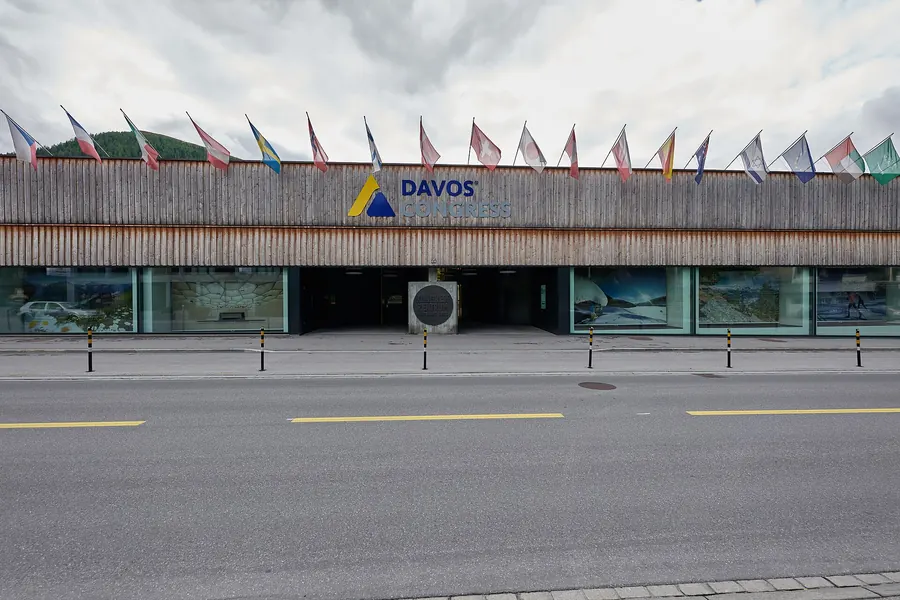
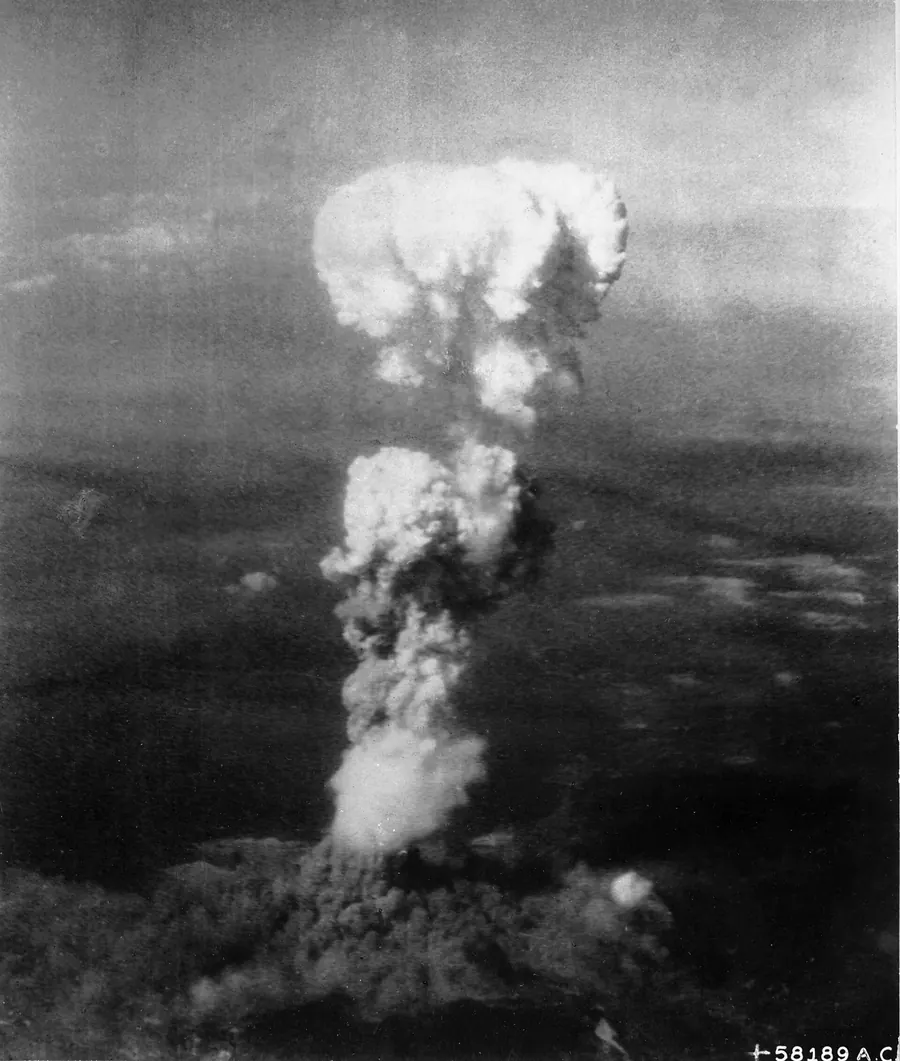
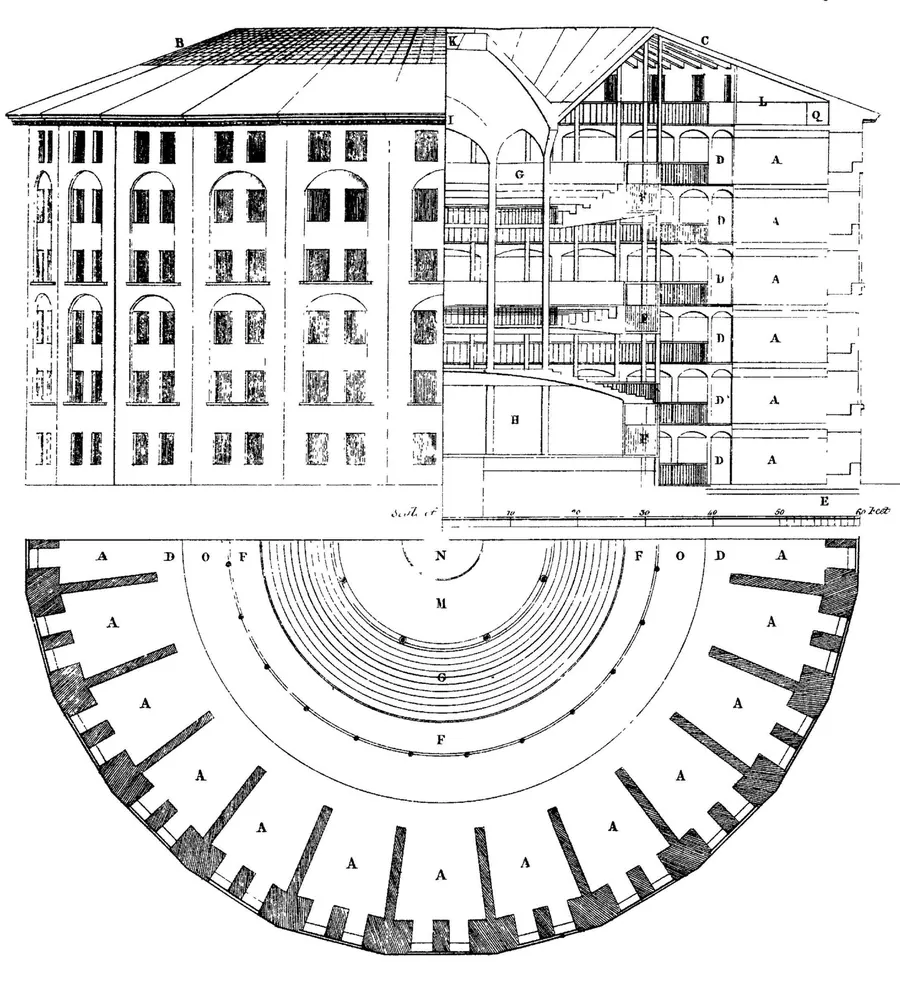
 Jared Kushner and Steve Witkoff
 Bulletin of the Atomic Scientists
 Alex Karp
 Jeffrey Epstein
 Peter Thiel
 Steve Bannon
 Gunther Anders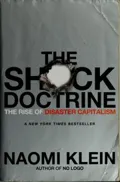
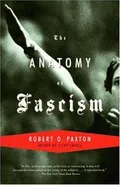
 Ur-Fascism
 Thanatos Triumphant
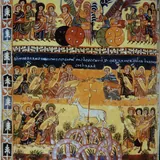 Revelation 21:4
 Davos
Davos New Gaza
 Board of Peace
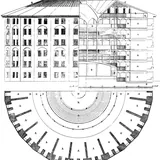 Panopticon
 Palantir
 Robert Paxton
 Doomsday Clock
 Christian Nationalism
 Third Temple
 Accelerationists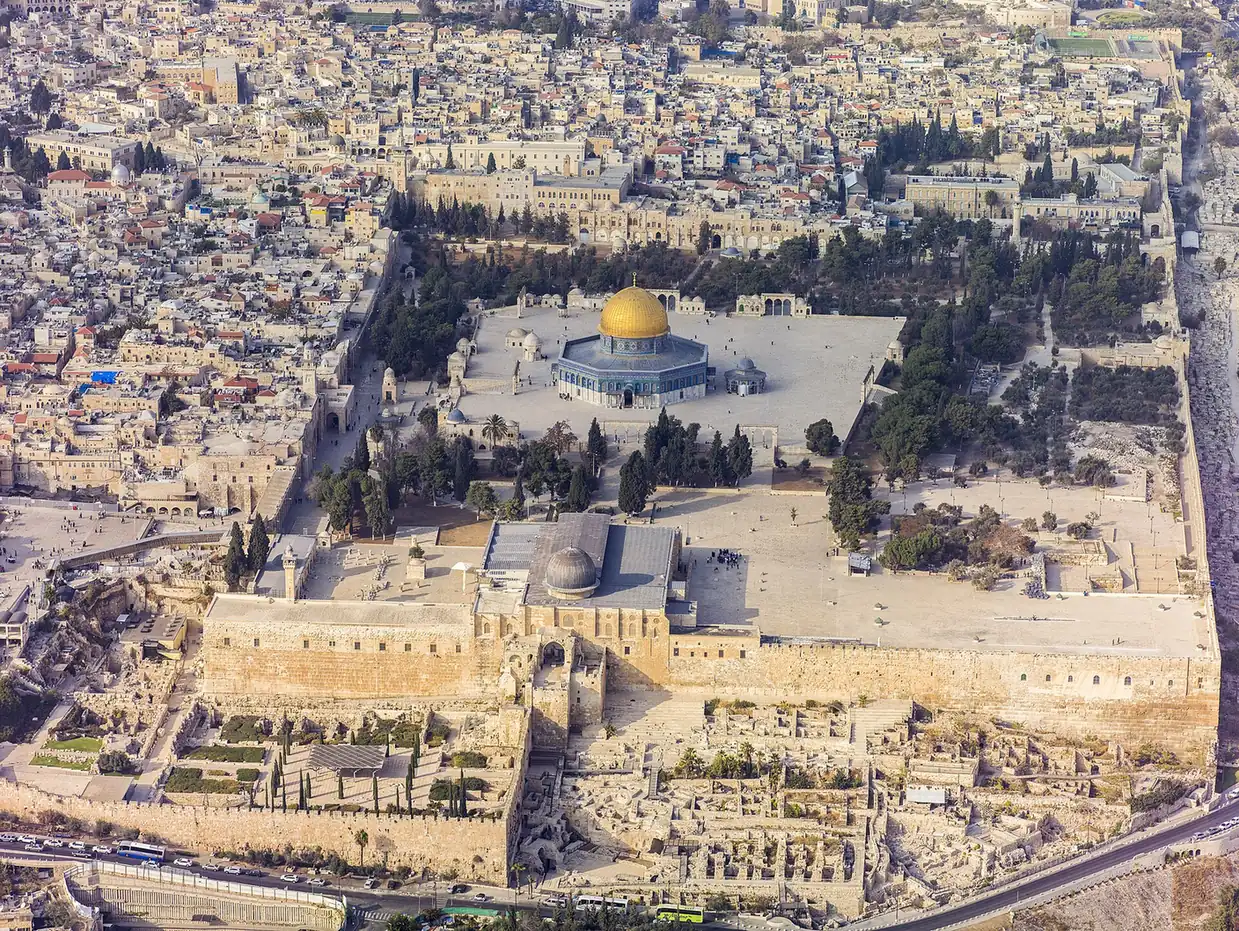
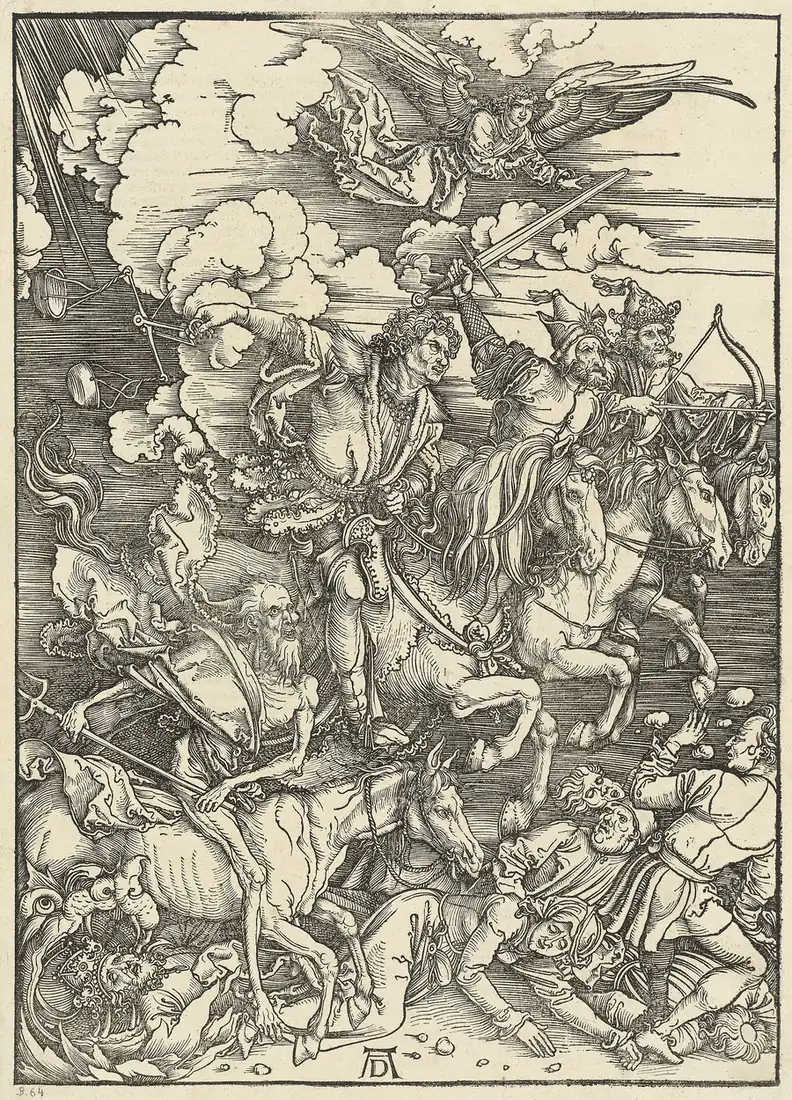
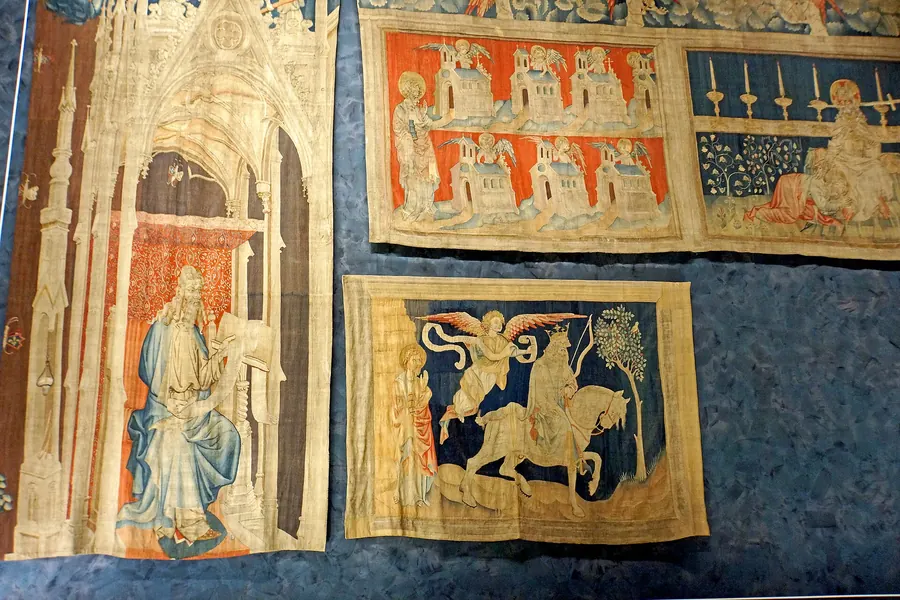
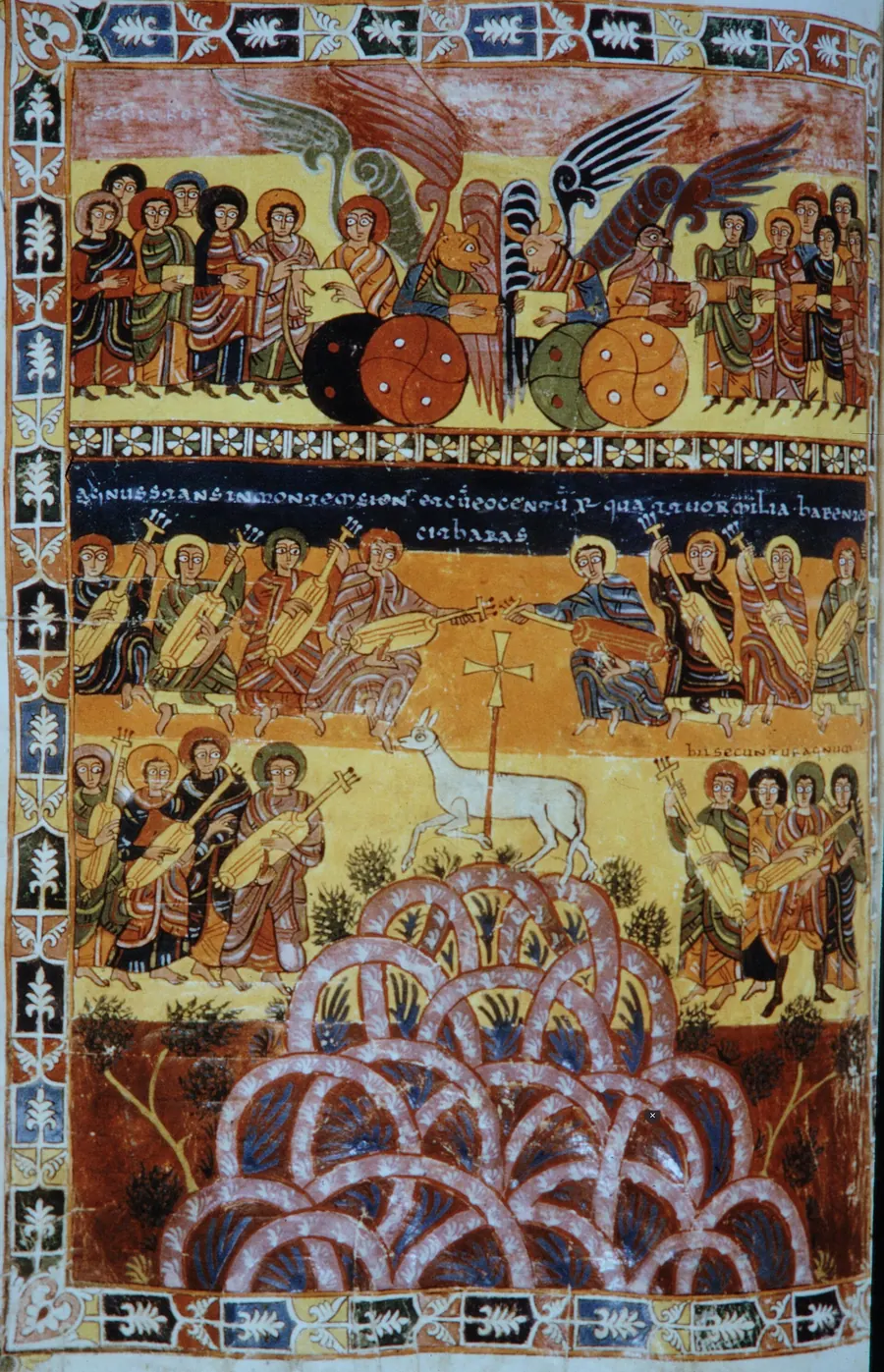
 Denis Michael Rohan
 Itamar Ben-Gvir
 John Hagee
 Lance Wallnau
 Walter Benjamin
 Pete Hegseth
 Rabbi Yitzchak Ginsburgh
 Doran Schrantz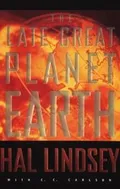
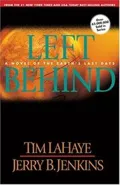
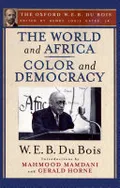

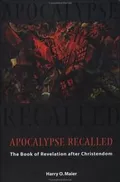
 Fascism
 Jetztzeit (now time)
 Six Day War (1967)
 Rapture
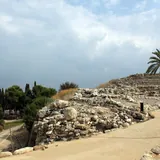 Armageddon
 Prosperity gospel
 Seven Mountain Mandate
 Liberation Theology
 QAnon
QAnon





 Sam Altman
 Marc Andreessen
 Dario Amodei
 Curtis Yarvin
 Elon Musk
 KeShaun Pearson
 Justin Pearson
 Bryce Gustafson
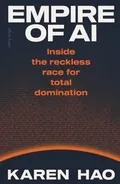

 Hereticon
 Próspera
 Palantir and Anduril
 Colossus
 Grok
Grok DOGE
DOGE Data center (AI factory)
 Boxtown
 1968 Memphis sanitation strike
 Black box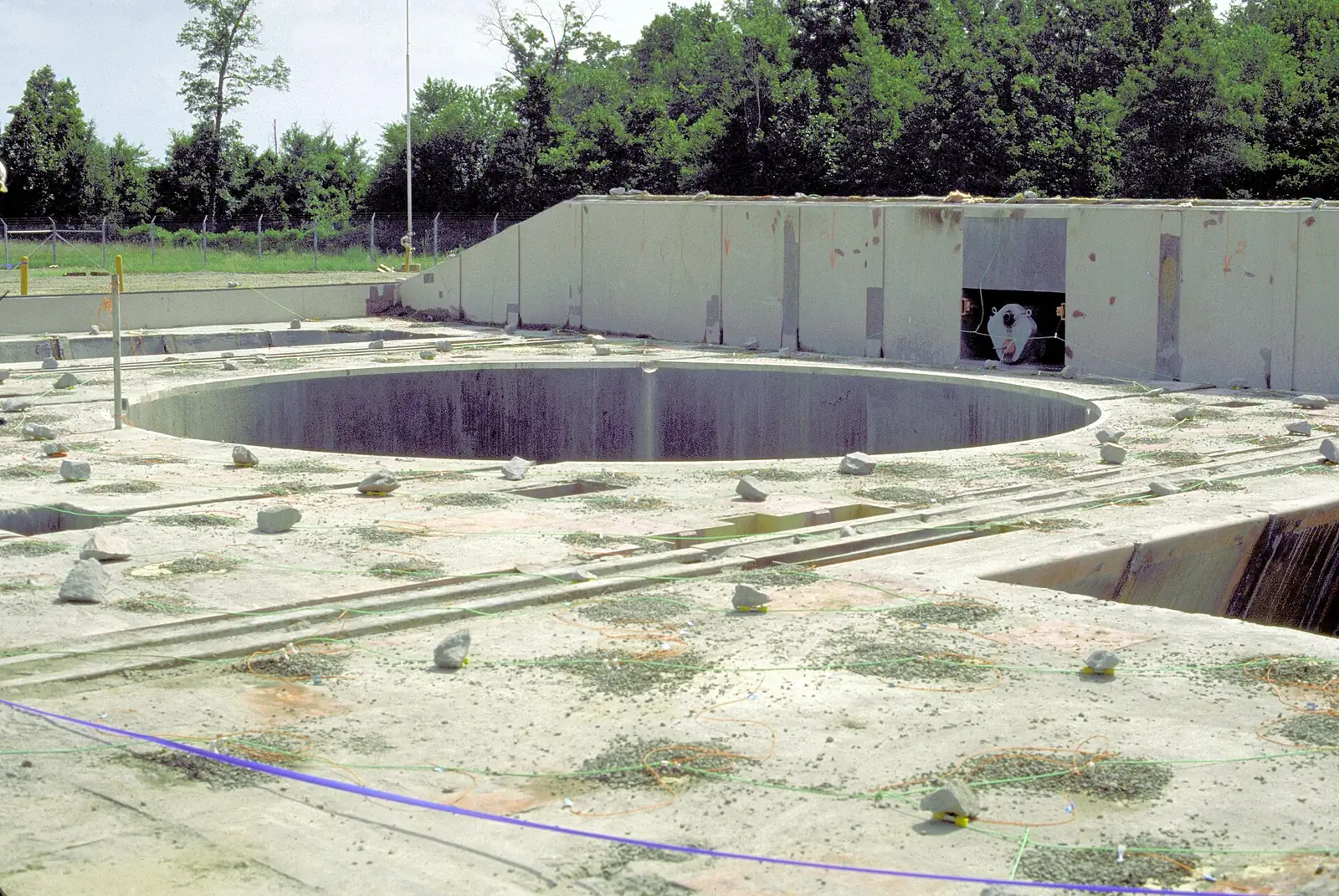


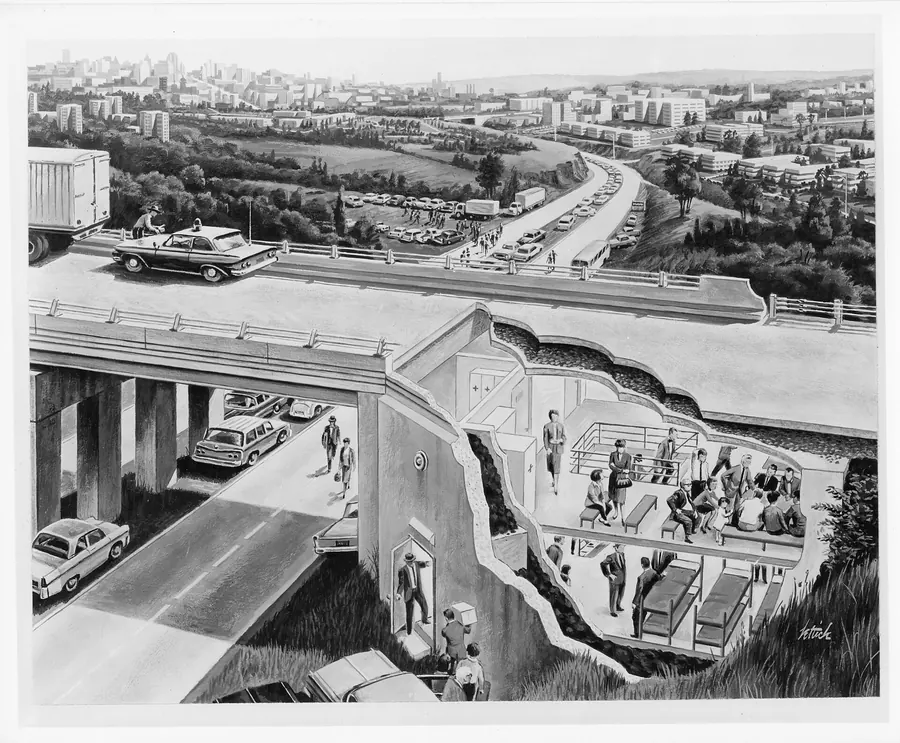
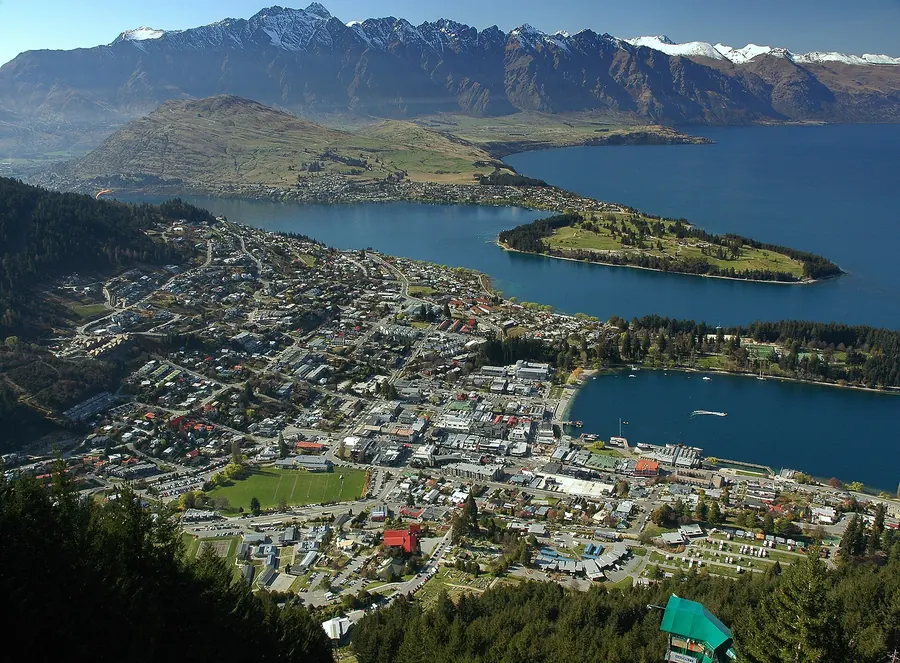
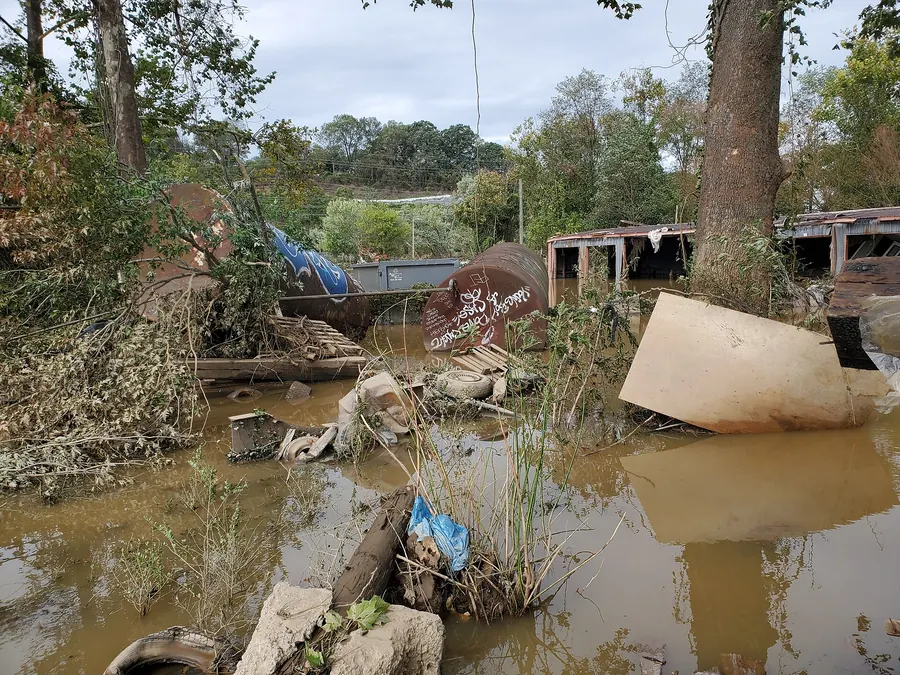
 Stephen Miller
 Jean Raspail and Renaud Camus
 Tommy Robinson
 Santiago Abascal
 Carl Schmitt
 John Arndt
 Nick Shirley
 Christopher Rufo
 Alex Kaschuta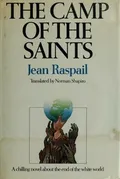
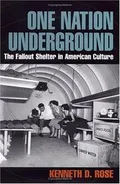
 Hurricane Helene (2024)
 FEMA
FEMA ICE and Border Patrol
 National Security Strategy (2025)
 Vox (Spain)
 Total Information Awareness
 Audience capture
 Operation Metro Surge
 Religious vaccination


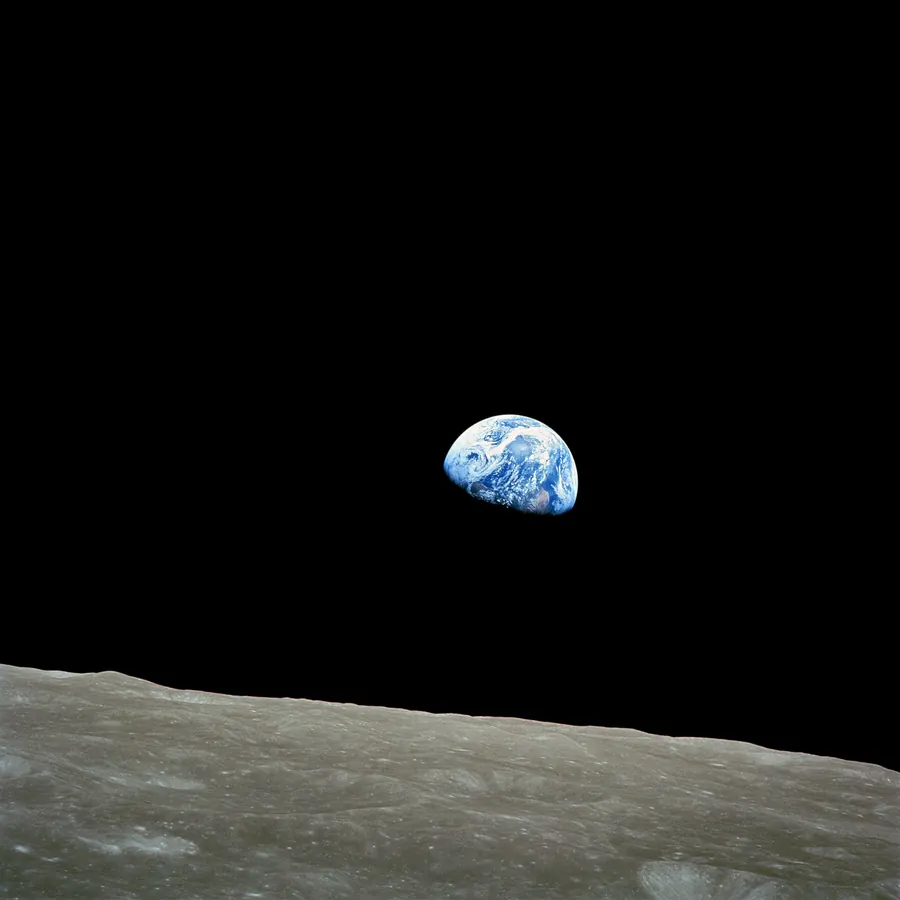
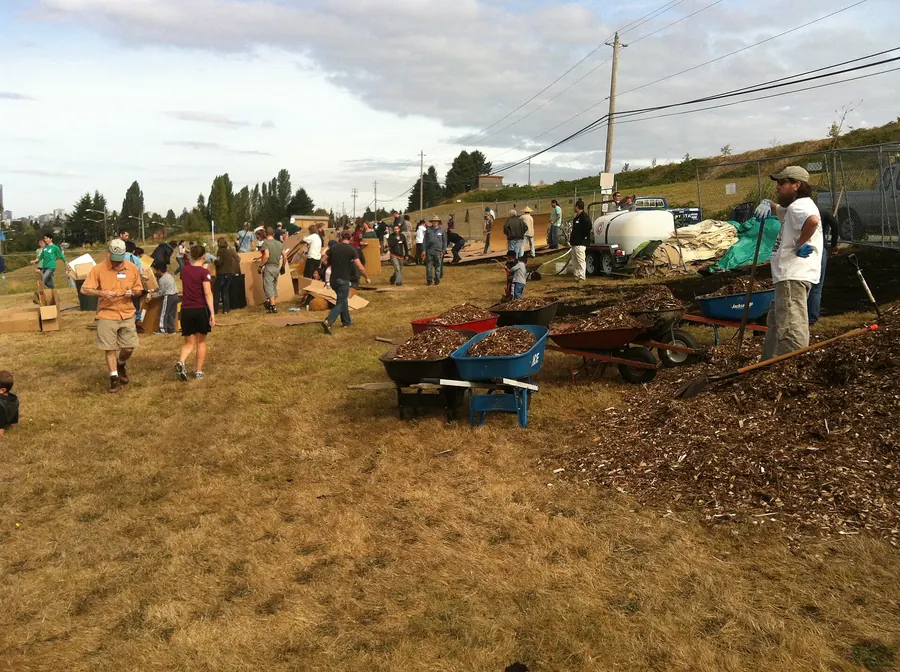
 Zohran Mamdani
 Jeff Bezos
 William Shatner
 Aurora Gomez
 Katie Wilson
 Francesca Albanese
 J. Robert Oppenheimer
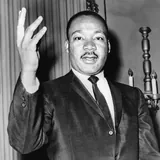 Martin Luther King Jr.

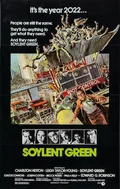

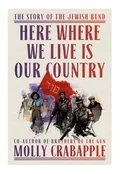
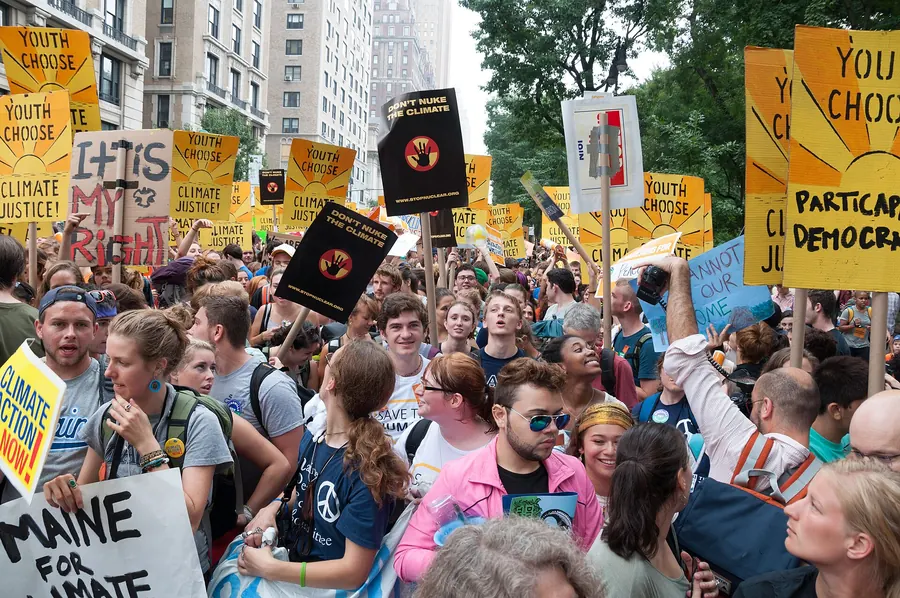
 Jeff Bezos and Venice
 Solastalgia
 Worldlessness
 Jewish Labor Bund
 Mortuary nationalism
 Ordo amoris
 Democratic Socialists of America
 Politics of impurity
 Wealth cap
 International Criminal Court
 Ecocide